Search for more information
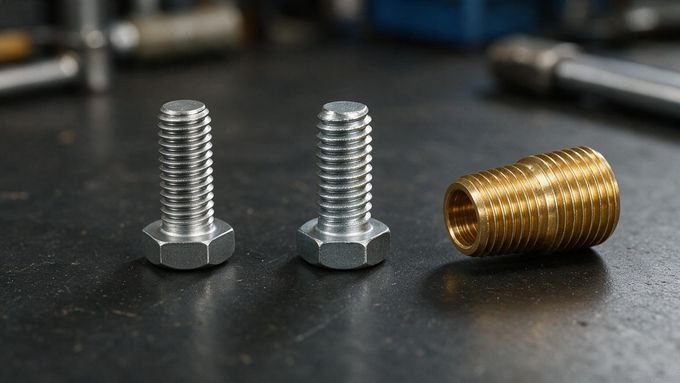
In the workshop, a mismatched thread is more than an inconvenience—it’s a potential leak, a stripped fitting, or a halted production line. While reference charts are useful, knowing how to visually and physically distinguish between Metric, Imperial (UNC/UNF), and Pipe (NPT/BSP) threads can save you time and prevent costly errors. Here is how to identify them on the spot.
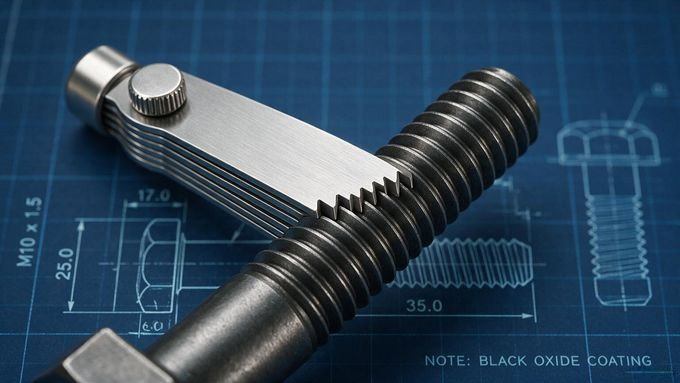
The most fundamental difference lies in the thread angle.
Metric and Imperial (UNC/UNF) threads use a 60-degree included angle. If you place a standard thread gauge or a 60-degree drafting triangle against the thread profile, it should fit snugly.
Pipe Threads (NPT and BSP) typically use a 55-degree angle. This subtle difference is hard to see with the naked eye but is critical for sealing. NPT (National Pipe Taper) is the US standard, while BSP (British Standard Pipe) is common in Europe and Asia.
Field Tip: If a 60-degree gauge rocks or feels loose at the peaks, suspect a 55-degree pipe thread.
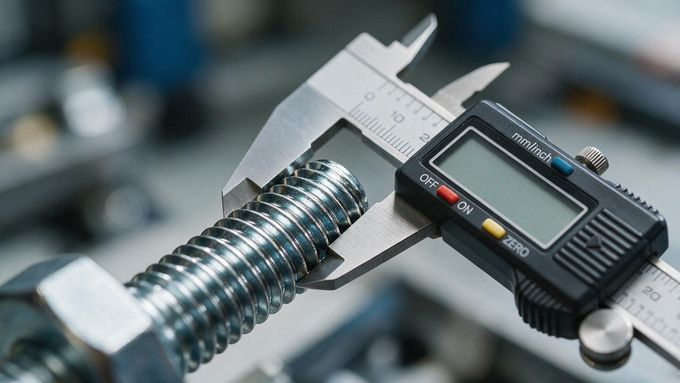
Run your finger or a caliper along the length of the thread.
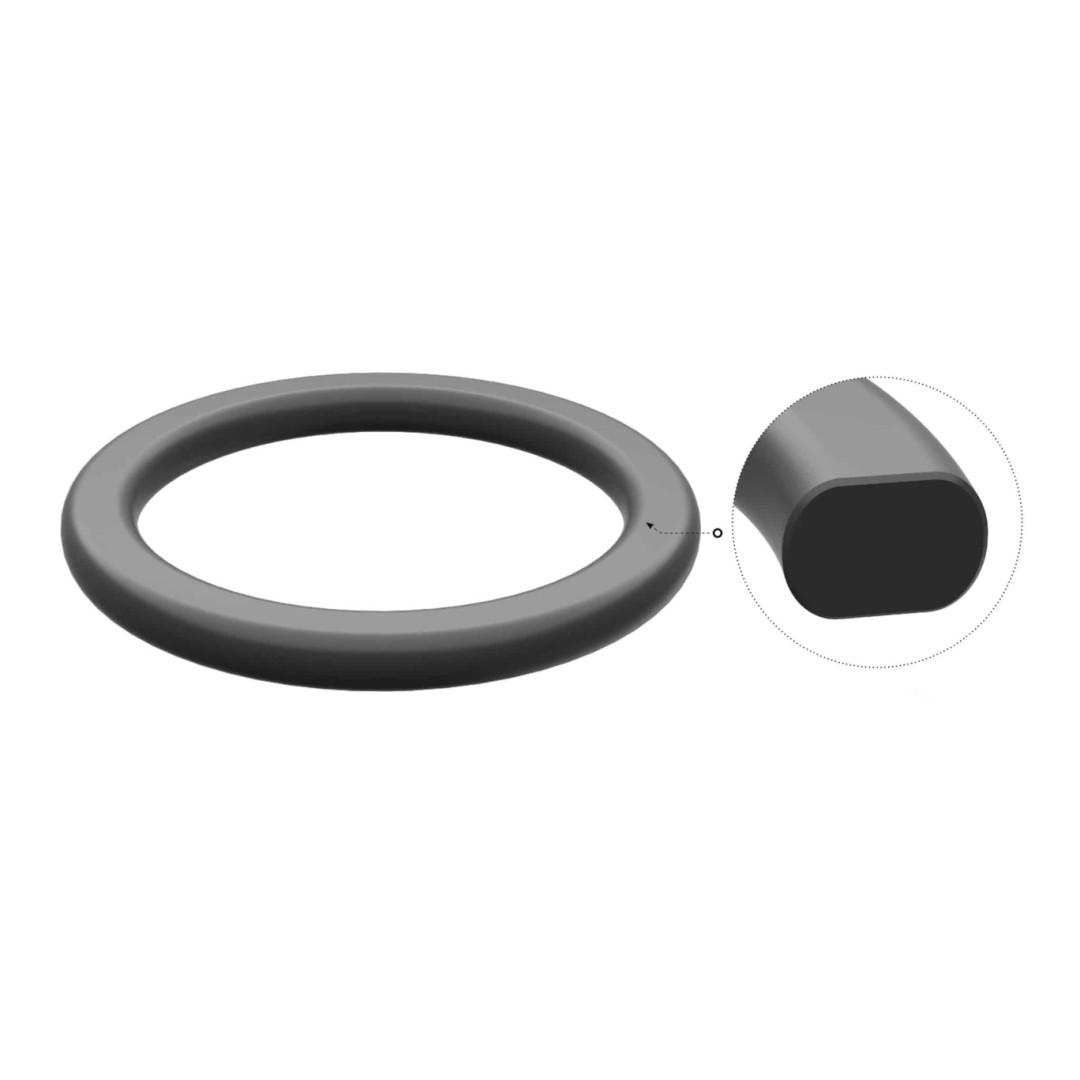
Parallel Threads: Most Metric and Imperial (UNC/UNF) fasteners are parallel. The diameter remains constant from the head to the tip. These rely on mechanical tension or a separate washer/O-ring for sealing.
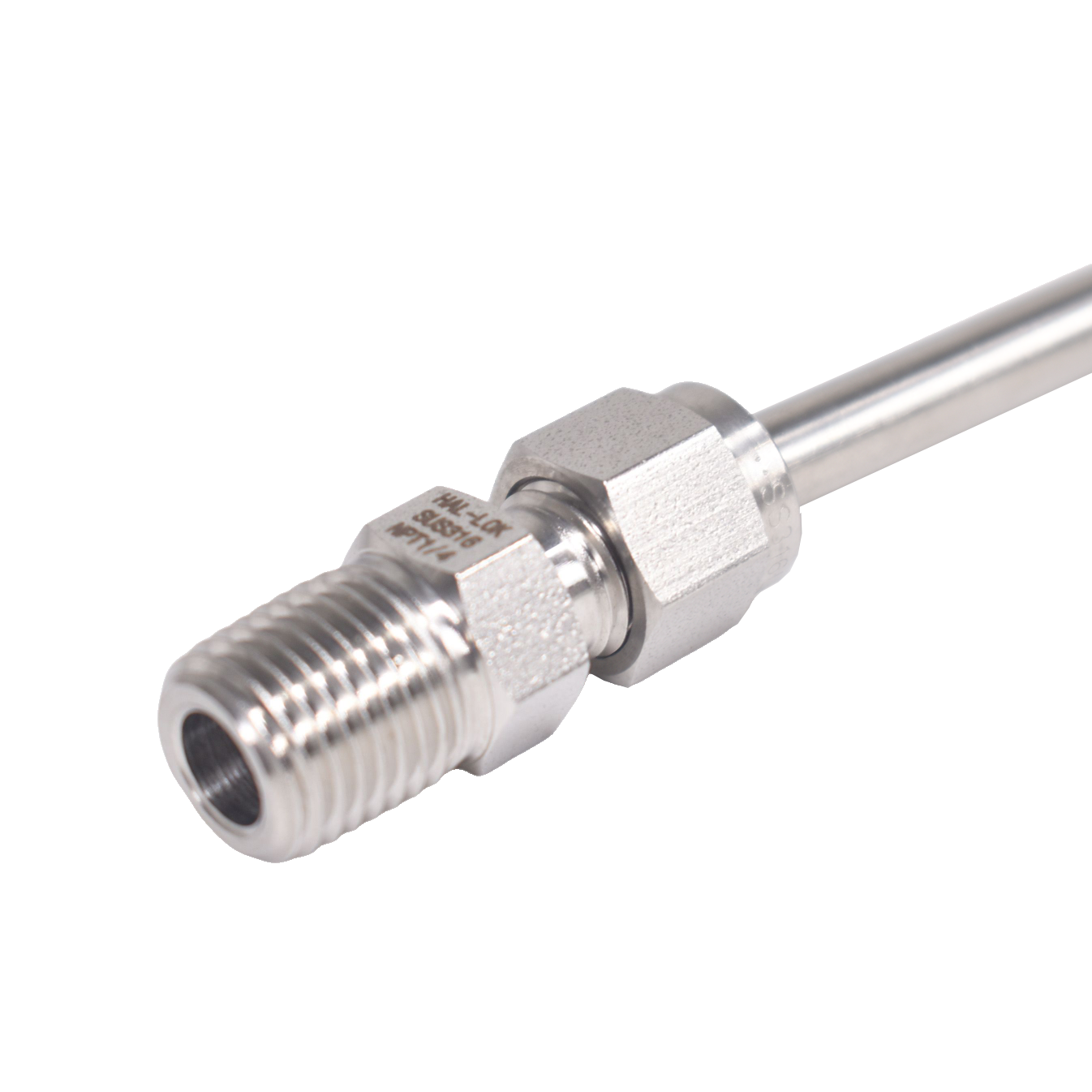
Tapered Threads: NPT and R-type BSP threads are tapered. The diameter gets smaller toward the end. This taper allows the threads to wedge together tightly, creating a metal-to-metal seal often used with pipe dope or Teflon tape.
Exception: G-type BSP (Parallel Pipe Thread) is parallel but still uses a 55-degree angle and typically requires a bonded seal or O-ring.
How do you measure the "tightness" of the threads?
Metric: Measured in millimeters (mm) from peak to peak. Common pitches include 1.5mm, 2.0mm, etc. Use a metric ruler or caliper to measure the distance across 10 threads and divide by 10 for accuracy.
Imperial (UNC/UNF): Measured in Threads Per Inch (TPI). You count how many thread peaks fit within one inch. UNC is coarse (fewer TPI), while UNF is fine (more TPI).
Pipe (NPT/BSP): Also measured in TPI, but the TPI values are specific to pipe sizes (e.g., 1/2" NPT has 14 TPI). Note that pipe size names (like 1/2") refer to the *internal* bore, not the outer thread diameter, which is often larger.
NPT vs. BSP: Both are pipe threads, but they are not compatible.
NPT: 60-degree angle, tapered.
BSP: 55-degree angle, tapered (R) or parallel (G).
Metric vs. UNC: A M10x1.5 thread looks very similar to a 3/8"-16 UNC. However, 3/8" is 9.525mm. If you try to screw a Metric bolt into an Imperial nut, it will start but then bind or strip because the pitch (1.5mm vs 1.5875mm) is slightly off.
Is it tapered? Yes → Likely Pipe (NPT or BSP). No → Likely Metric or Imperial Fastener.
What is the angle? 60° → Metric, Imperial, or NPT. 55° → BSP.
What is the pitch? Measure in mm → Metric. Count TPI → Imperial or Pipe.
Does it fit? Never force it. If it binds after a few turns, you likely have a pitch mismatch (e.g., Metric vs. UNC).
By mastering these three checks—Angle, Taper, and Pitch—you can confidently identify threads without digging for a chart.