Search for more information
When preparing piping isometric drawings, BOM lists and PI documents for high-purity gas and instrument piping, incorrect thread marking is one of the top causes of on-site leakage, assembly failure and rework. Many engineers confuse G, R, Rc, Rp, NPT and NPTF. Even threads with identical nominal sizes cannot be freely interchanged. Their thread angle, taper and sealing mechanism differ fundamentally.
There are two major pipe thread families: 55° BSP Whitworth threads (G/R/Rp/Rc) governed by ISO standards, widely adopted in Europe, China and Asia; and 60° American taper threads (NPT, NPTF) under ASME standards, commonly seen on North American instrument fittings.
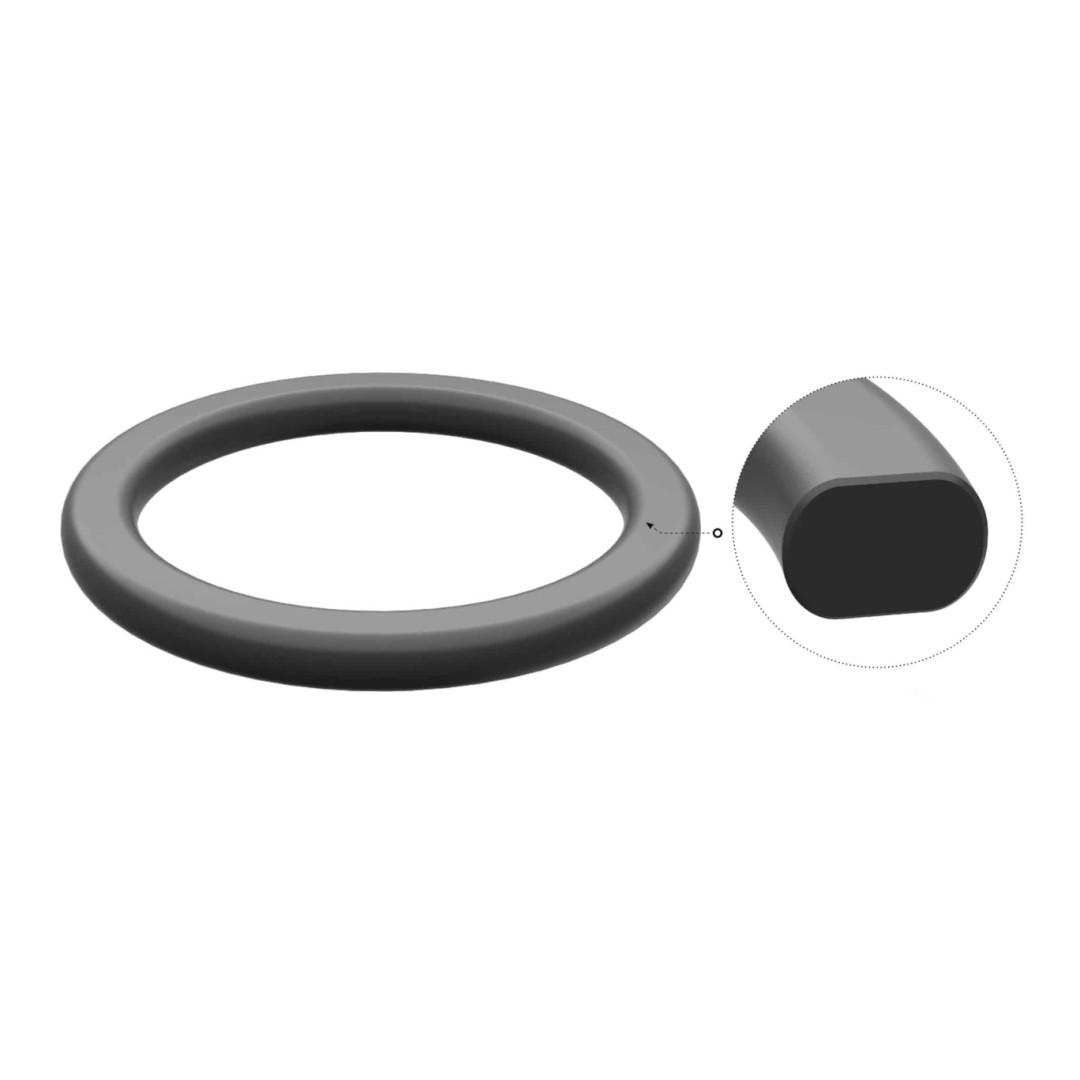
G (BSPP, ISO 228-1)Parallel cylindrical thread, 55° thread angle, rounded crests and roots. No taper. Threads only provide mechanical fastening. Sealing relies on face gasket or O-ring, not thread engagement. Mating pair: G male ↔ G female. Suitable for low-pressure pneumatic ports and valve mounting bases. Repeated assembly is easy without thread galling.
R (BSPT Taper External, ISO 7-1)Tapered external thread with 1:16 taper, 55° Whitworth profile with rounded crest & root. Sealing is achieved by taper flank compression. Two valid mating combinations: R (taper male) + Rp (parallel female); R (taper male) + Rc (taper female). Widely used in laboratory gas lines and medium-pressure process piping.
Rp (BSPT Parallel Internal, ISO 7-1)Cylindrical internal thread, 55°, no taper. Designed exclusively to mate with R tapered external thread. Parallel internal bore delivers good alignment. The taper-parallel combination reduces thread galling and is preferred for instrument piping.
Important note: Rp is a sealing-type parallel thread, different from non-sealing G thread. Do not substitute.
Rc (BSPT Taper Internal, ISO 7-1)Tapered internal thread with 1:16 taper, 55° rounded tooth profile. Matches R tapered external thread. Taper-to-taper connection offers robust sealing performance, yet machining is more complex and galling risk increases with repeated disassembly.
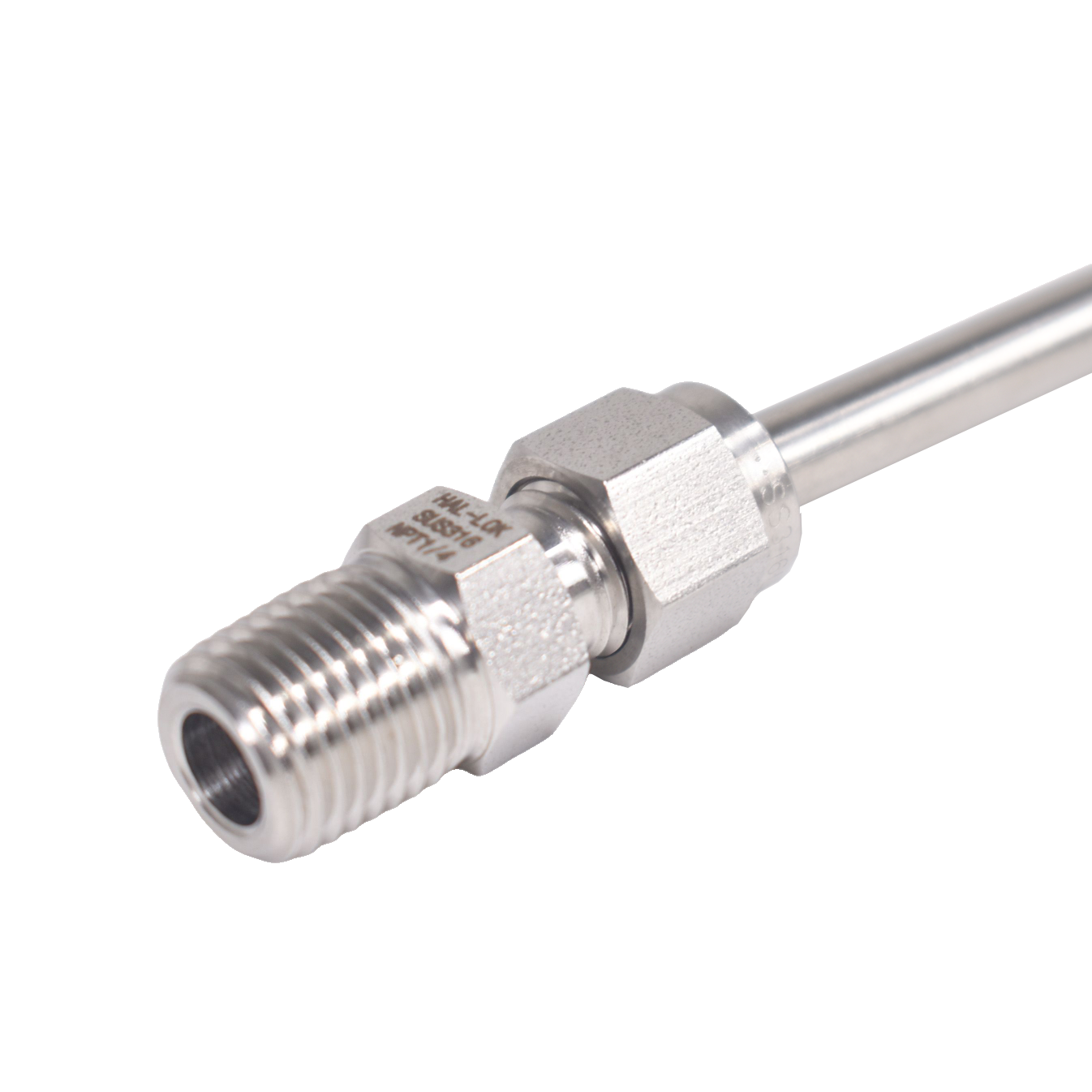
NPT (ASME B1.20.1)60° tapered thread, 1:16 taper, flat crests and roots. Both male and female threads are tapered. Seal is formed by flank interference. PTFE tape or thread sealant is normally required to fill spiral leak paths. Applied to imported instruments and North American piping assemblies.
Critical warning: NPT cannot seal with BSPT (R/Rc) even if it can be screwed in partially. The 60° vs 55° thread angle creates permanent leakage gaps.
NPTF (ASME B1.20.3, Dryseal)60° 1:16 taper thread with controlled crest and root geometry. Metal interference between mating threads creates a dry seal. In theory, no sealant is required. Precision manufacturing is mandatory. Used for fuel systems, aerospace and ultra-high purity gas applications. Repeated assembly reduces sealing performance.
| Code | System | Thread Angle | Taper | Thread Type | Sealing Principle | Recommended Mating | Typical Application |
|---|---|---|---|---|---|---|---|
| G | BSP 55° | 55° | Parallel | Parallel male & female | Face gasket/O-ring seal | G male ↔ G female | Low-pressure pneumatics |
| R | BSPT 55° | 55° | 1:16 | Taper external | Taper thread self-seal, optional sealant | R+Rp / R+Rc | Lab gas & process piping |
| Rp | BSPT 55° | 55° | Parallel | Parallel internal | Seal with R taper male | Rp ↔ R | Instrument fittings |
| Rc | BSPT 55° | 55° | 1:16 | Taper internal | Taper thread self-seal | Rc ↔ R | High-pressure piping |
| NPT | ASME 60° | 60° | 1:16 | Taper male & female | Taper interference + sealant | NPT male ↔ NPT female | Imported instruments |
| NPTF | ASME 60° | 60° | 1:16 | Taper male & female | Metal dry seal interference | NPTF male ↔ NPTF female | UHP gas & fuel systems |
Mark full thread designation on drawings, never abbreviate. Use R1/4, NPT1/4 or G1/4 instead of vague “1/4 pipe thread”.
For high-purity gas projects, Rp+R taper-parallel assembly is recommended to avoid thread seizure. Rc+R taper-taper joints are not ideal for frequent disassembly.
Never mix BSP and NPT threads. Partial engagement does not guarantee leak tightness.
The three core criteria to distinguish pipe threads are thread angle, taper and sealing mechanism. For piping isometric drawings, BOM and export PI documents, double-check thread codes and mating pairs in advance to eliminate leakage risk and wrong delivery.