Executive Summary: In the demanding world of industrial piping, selecting between 304 and 316 stainless steel ferrule fittings is a critical engineering decision. While visually identical, their microstructural differences dictate performance in harsh environments. This comprehensive guide provides a deep comparative analysis across product features, working principles, application scenarios, and operational considerations to guide cost-effective and safe procurement.
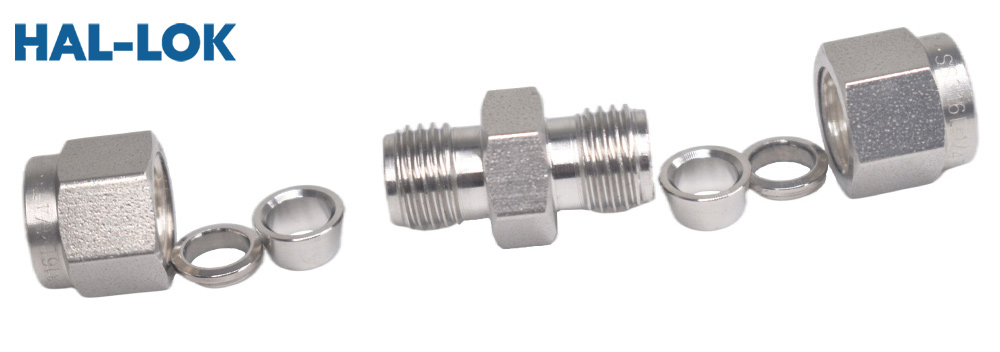
1. Product Features: How Material DNA Defines Core Performance
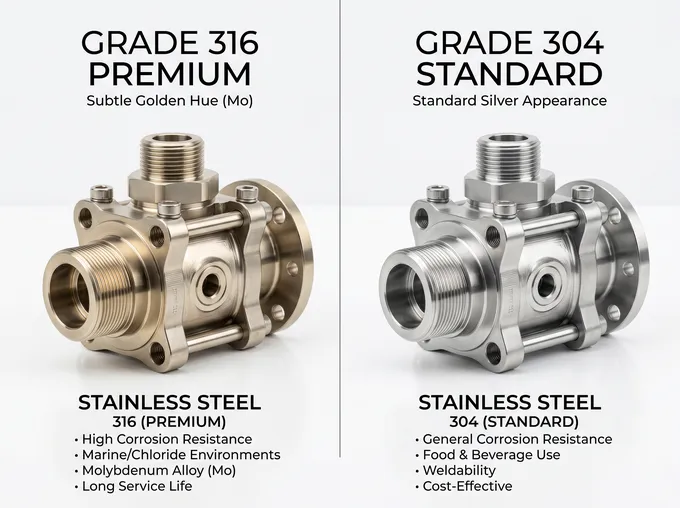
The foundational differences between 304 and 316 stainless steel lie in their metallurgical recipes. These microscopic variations in chemical composition dictate their macroscopic behavior in harsh industrial environments.
304 Stainless Steel Baseline
Contains approximately 18% chromium (Cr) and 8% nickel (Ni). Forms a dense chromium oxide passivation film for basic corrosion resistance in conventional environments.
⚠️ Vulnerability: Prone to pitting corrosion in chloride-rich environments (seawater, de-icing salts), leading to passivation layer damage.
316 Stainless Steel Upgrade
Adds 2-3% molybdenum (Mo). Molybdenum inhibits passivation film dissolution in chlorine, raising the Pitting Resistance Equivalent Number (PREN) > 24.
Advantage: Premier choice for marine, food-grade processing, and high-purity media transportation.
Mechanical Properties & Hygiene
Low-Temperature Toughness: 316 provides superior ductility due to molybdenum. In extreme temp differentials (-40°C to 120°C), 316 maintains sealing stability; 304 faces embrittlement risks.
Work Hardening: 316 has a higher work hardening rate, requiring precise cold forming control (wall thickness reduction < 8%) to prevent brittle fracture.
Hygiene Standards: 304 achieves Ra ≤ 0.8μm. 316 undergoes electropolishing to reach Ra ≤ 0.4μm, complying with FDA standards and inhibiting bacterial adhesion.
2. Working Principle: Engineering Detail Under Structural Commonality
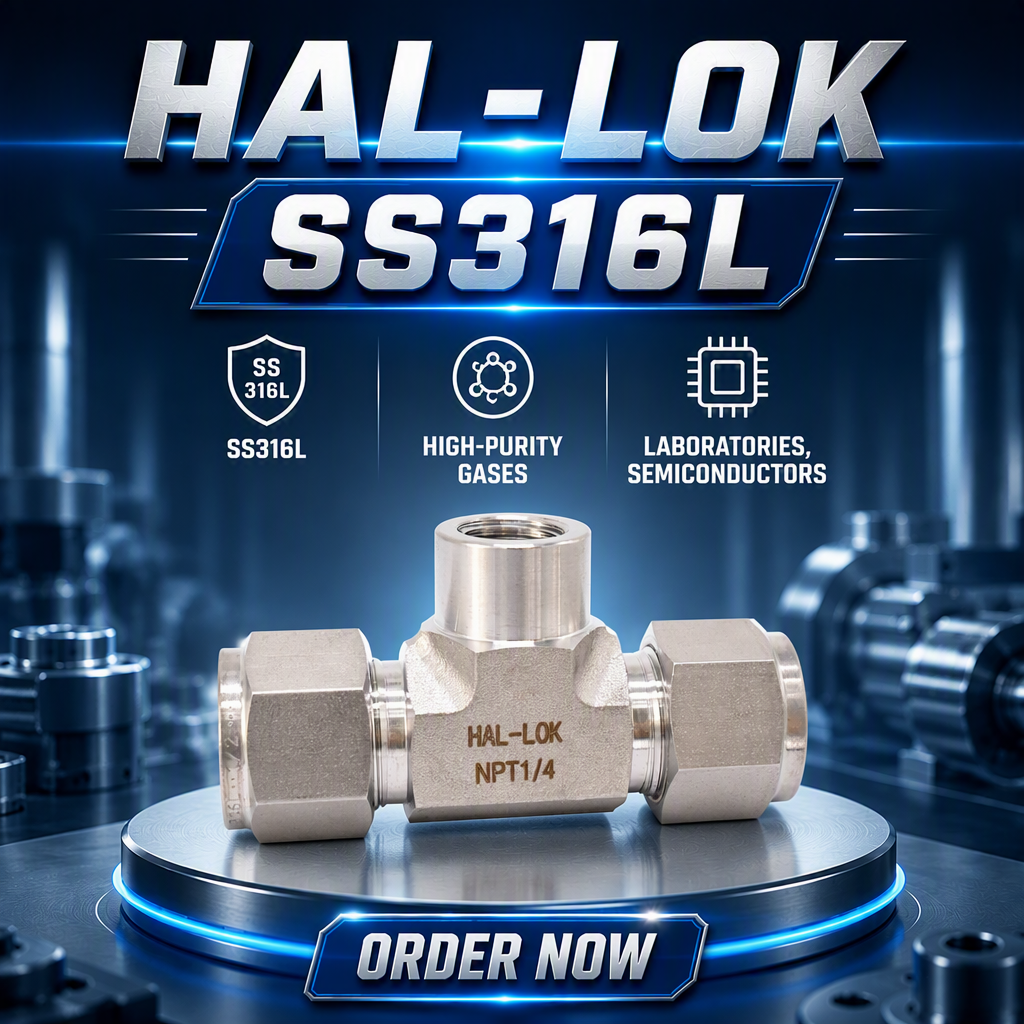
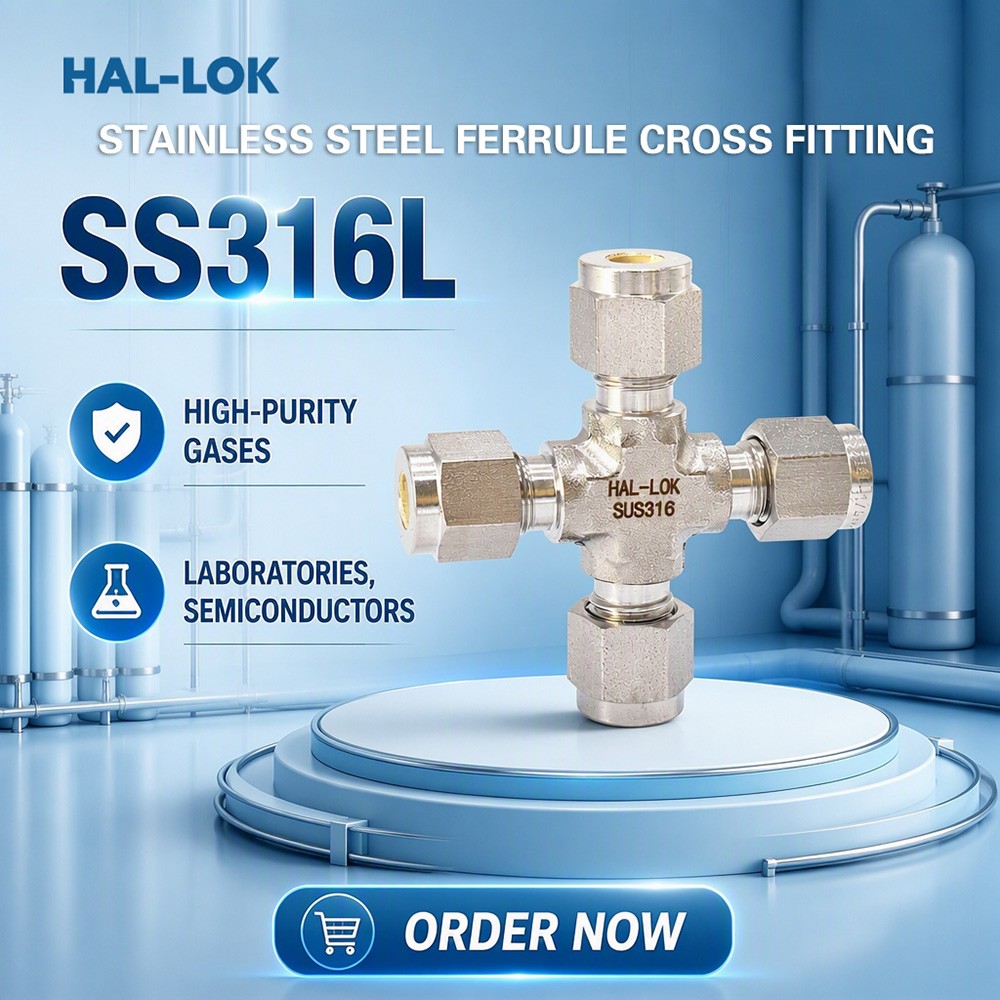
Both 304 and 316 ferrule fittings rely on a sophisticated dual-action sealing mechanism: "Mechanical Bite + Conical Surface Sealing."
1
Pipe Insertion
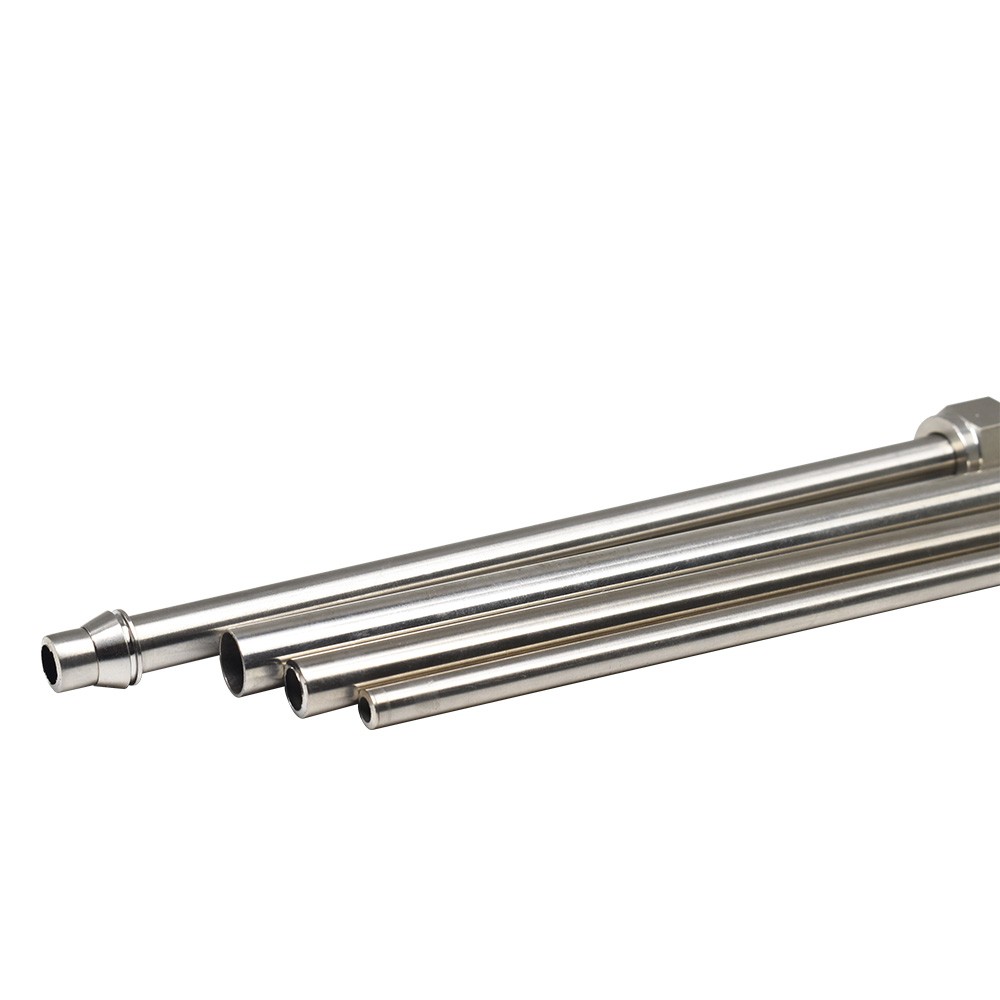
Insert seamless steel pipe into the ferrule. End face perpendicularity must be ≤ 0.5° for uniform engagement.
2
Nut Tightening
Tightening the nut forces the ferrule's outer front end against the conical surface, while the inner cutting edge bites into the pipe wall, creating a cold deformation seal.
3
Stress Distribution
Axial compression ensures uniform stress distribution, bypassing thermal stress and cracking risks associated with welding.
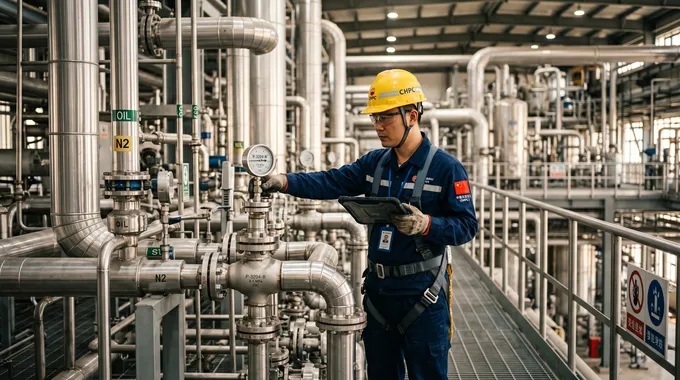
3. Application Scenarios: Matching Material to Mission
Optimal Scenarios for 304 Fittings
Conventional Industrial Sectors: Unbeatable cost-efficiency for non-high-chloride environments (automotive, petrochemical).
*ROI Example: Replacing welded joints with 304 fittings extended operation cycles from 1 to 3 years, reducing maintenance costs by 40%.
Optimal Scenarios for 316 Fittings
High-Chloride & Corrosive Environments: The undisputed champion for marine and coastal plants.
*ROI Example: An aircraft carrier terminal saw leakage rates drop from 0.3% to 0.01%, saving 6M RMB annually.
Extreme Operating Conditions: Maintains stability in cryogenic (-196°C) or superheated (450°C) environments, achieving zero-leakage operations.
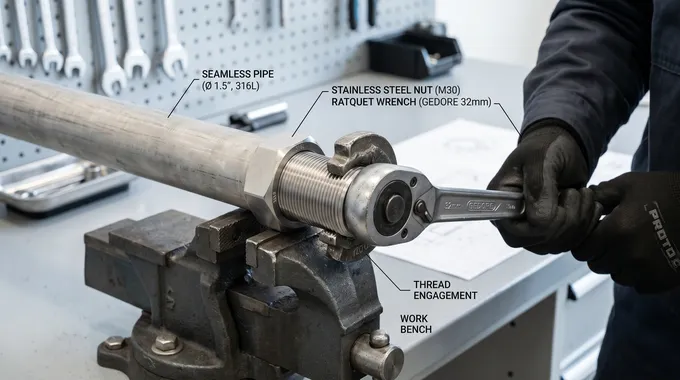
4. Usage Considerations: Operational Specifications
Precision Pipe Preparation: Use professional machinery (end face perpendicularity ≤ 0.5°). Remove all burrs.
Pre-Assembly Verification: Inspect the ferrule's bite for a visible raised band of displaced pipe material. Zero axial displacement allowed.
Material Traceability (316): Demand EN 10204 3.1 certificates and conduct 100% PMI testing to verify molybdenum content (±0.05% deviation).
Strict Limitation Warnings for 304 Materials
The Chloride Ban: Strictly prohibit direct exposure to seawater, de-icing agents, or high salt-mist environments without enhanced monitoring.
Deep Cryogenic Brittleness: Below -40°C, impact toughness is compromised. Switch to 316L or duplex stainless steel to prevent brittle fracture.
Conclusion: Strategic Selection
The choice between 304 and 316 is about finding the optimal engineering fit. 304 dominates standard environments with cost efficiency, while 316 is non-negotiable for high-corrosion, ultra-high-purity, and extreme conditions.
For more in-depth technical insights, engineering whitepapers, and advanced industrial piping solutions, stay tuned to our official channel. Ensure your infrastructure is built on uncompromising reliability.