In the full lifecycle of industrial piping systems, surface treatment processes are often the "invisible killers." Choosing the wrong coating can lead to disastrous results: equipment rusting within three months, seal failures, and leakage of critical media, causing maintenance costs to skyrocket. Faced with the dazzling silver sheen of various metals, how do you look beyond the surface to the essence? Selecting the right plating is not just about saving money; it is the ultimate guardian of safety and integrity.
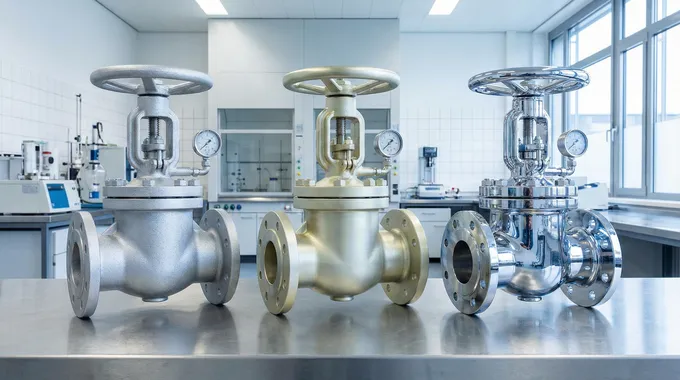
Part 1: Deep Dive into the Three Major Processes
01. The Industrial "Three Musketeers": The Essential Differences Between Zinc, Nickel, and Chrome
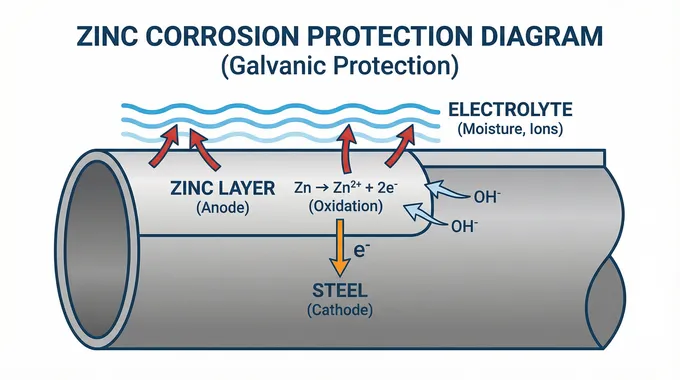
Zinc Plating (Galvanizing): The King of Cost-Effectiveness, The Goalkeeper of Basic Corrosion Protection
Zinc plating operates on the principle of "sacrificial anodic protection." Since zinc has higher chemical activity than iron, when the coating is damaged, the zinc oxidizes first, sacrificing itself to protect the underlying steel from rusting. However, one must distinguish between Hot-Dip Galvanizing (HDG) and Cold Galvanizing (Electro-Galvanizing). HDG involves immersing fittings into high-temperature molten zinc, creating a thick alloy layer with a 30-50 year lifespan. Cold Galvanizing produces an extremely thin layer that peels easily in humid environments.
Nickel Plating: The Corrosion Resistance Expert, A Master of Inside and Out
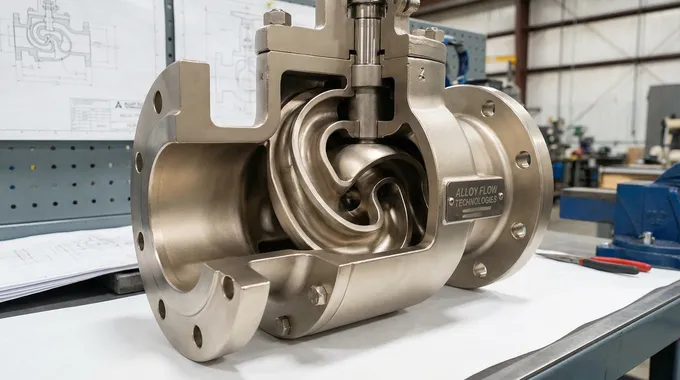
Nickel plating utilizes a "dense barrier" protection mechanism. Nickel possesses high chemical stability and forms a non-porous protective film that isolates the substrate from corrosive media. Specifically, Electroless Nickel Plating (ENP) does not rely on current distribution, allowing it to uniformly cover complex valve cavities. Its amorphous structure eliminates intergranular corrosion risks, making it ideal for chemical, food, and pharmaceutical industries.
Chrome Plating: The Hardness Ceiling, The Ultimate Defense Against Wear
Industrial valves primarily use Hard Chrome. With a coating thickness of 20-50μm and a hardness reaching HV 800-1200, it offers exceptional wear resistance and a low coefficient of friction. It is the top choice for valve stems and sealing surfaces. However, chrome layers can have micro-cracks, often requiring a multi-layer plating process (Copper + Nickel + Chrome) to compensate.
Part 2: The Ultimate Showdown: Horizontal Performance Benchmarking
| Feature | Zinc | Nickel | Chrome |
|---|---|---|---|
Mechanism | Sacrificial Anode (Active) | Physical Barrier (Passive) | Passivation + Hardness |
Wear Resistance |
| (Heat Treated) | (The Ceiling) |
Acid/Alkali |
|
| (Poor vs. HCl) |
Cost | Lowest | Medium | Highest |
Part 3: Curing Indecision: The Optimal Solution for Different Scenarios
Scenario 1: Budget-Constrained Outdoor Infrastructure
(e.g., Urban Water Supply, Drainage, Fire Pipelines)
Recommendation: Hot-Dip Galvanizing. Adapted to atmospheric corrosion, low cost, long life.
"There's no need to overspend in ordinary environments. Never use electro-galvanized fittings for pressure applications." |
Scenario 2: Harsh Chemical & Marine Environments
(e.g., Petroleum Refining, Desalination Plants)
Recommendation: Electroless Nickel Plating (High Phosphorus). Resists acid-alkali corrosion and chloride ion penetration.
"Safety and hygiene are non-negotiable. You must never cut corners here." |
Scenario 3: High-Frequency Action & High-Pressure Sealing
(e.g., High-Pressure Ball Valve Spheres, Control Valve Stems)
Recommendation: Hard Chrome Plating. Low friction coefficient ensures a tight seal and minimizes wear.
"If you don't want to replace parts every few months, hardness is everything." |
Surface treatment for valve fittings is far more than just "applying makeup"—it is a sophisticated game of materials science versus environmental chemistry. Precise selection is the highest embodiment of industrial excellence. Want to learn more about the deep analysis of "Special Coatings"? Stay tuned and follow us for future updates.