Search for more information
When building high-purity gas systems, hydraulic pipelines, or analytical instrument lines, the choice of tube fittings directly impacts system safety, leak performance and maintenance efficiency. Two mainstream options dominate the precision fluid control industry: compression fittings (ferrule fittings) and welded fittings. Many engineers struggle to pick the right one for their projects. Today we break down their core differences, advantages, limitations and typical application scenarios.
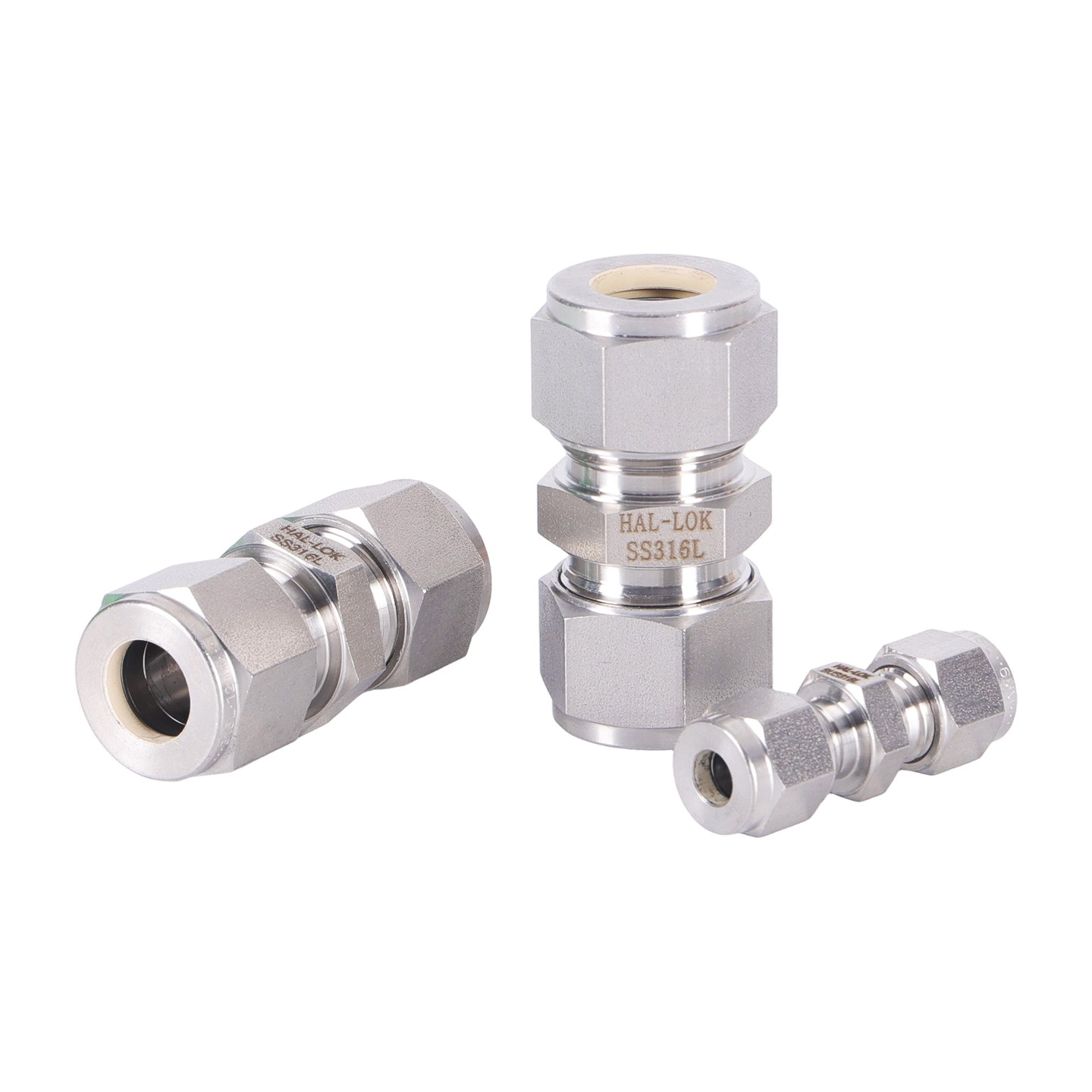
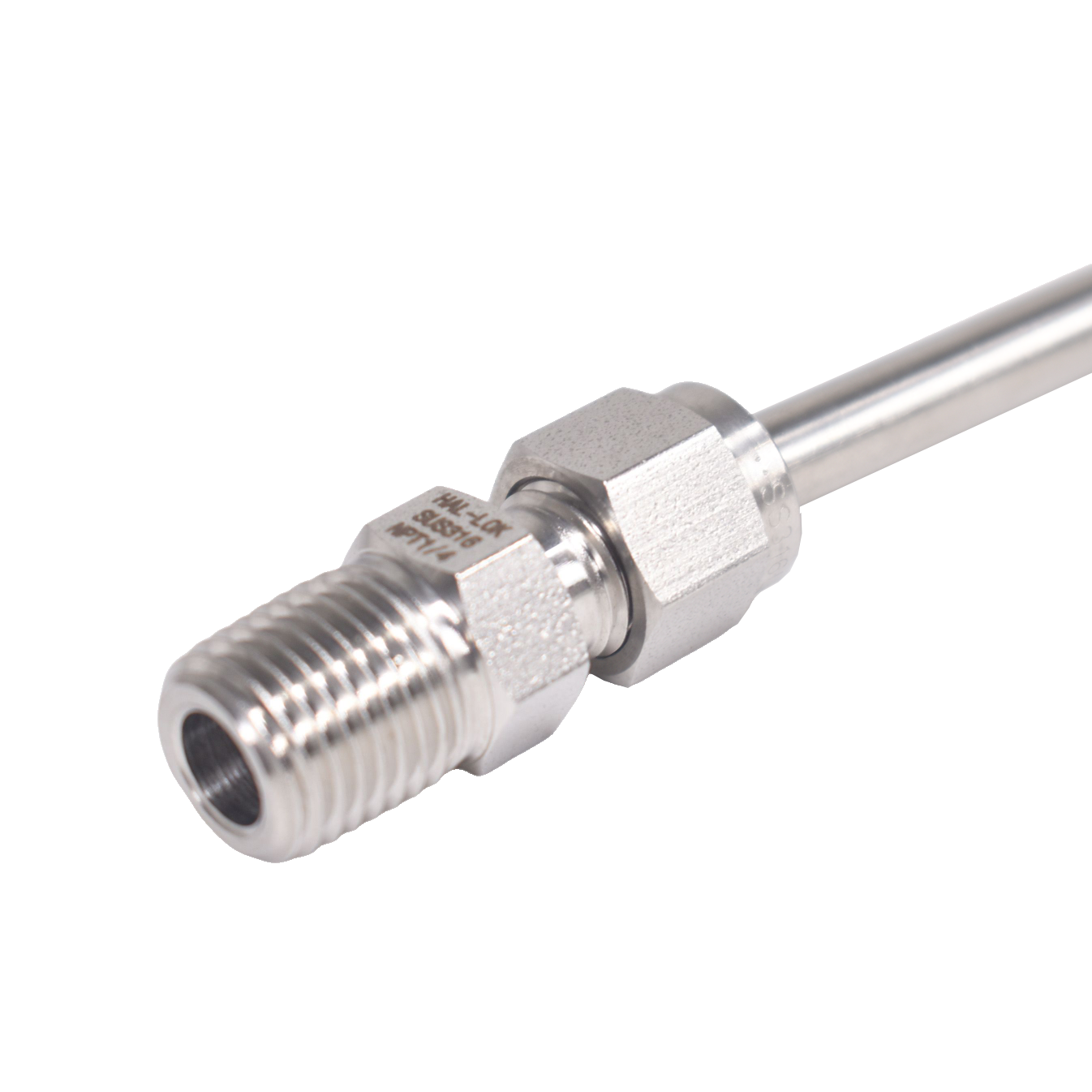
Compression fittings, also known as double ferrule fittings, are the most widely used mechanical tube connection solution for fluid systems. As shown in the picture, this type of fitting consists of a body, front ferrule, back ferrule and nut. During assembly, tightening the nut pushes the ferrules to bite into the outer surface of the tubing, forming a metal-to-metal seal.
No welding, brazing or special hot work is required. You only need standard hand tools to complete installation on-site. HAL-LOK compression fittings are manufactured from SS316L stainless steel, offering excellent corrosion resistance. They are compatible with stainless steel tubing, copper tubing and alloy tubes, covering working pressure up to thousands of PSI.
Key strengths of compression fittings:
✅ Fast field assembly, no hot work permit needed
✅ Easy disassembly and reusability for repeated maintenance
✅ Simple inspection: you can visually check assembly quality
✅ Wide compatibility for instrumentation, gas sampling, hydraulic lines
Limitations:
⚠️ Installation skill matters. Improper torque may lead to leakage
⚠️ Not ideal for extreme vibration or ultra-high purity UHP systems with strict particle requirements
⚠️ The bite mark on tubing cannot be reused on the same tube position
Welded fittings, rely on permanent metal fusion between the fitting end and tubing, usually by orbital GTAW (TIG welding). The joint becomes a fully integrated monolithic metal structure after welding.
Welded connections eliminate potential leak paths from mechanical sealing components. The smooth internal bore reduces dead volume and particle trapping, which is critical for semiconductor, specialty gas and laboratory high-purity systems.
Key strengths of welded fittings:
✅ Superior leak tightness and zero dead volume
✅ Resist severe vibration, high temperature and high pressure
✅ Ultra-clean internal surface, low particle generation for UHP applications
✅ Permanent connection, no risk of loosening over long service time
Limitations:
⚠️ Requires certified welders and professional welding equipment
⚠️ Permanent joint: cutting and re-welding is required for modification
⚠️ Hot work procedure is mandatory, which is restricted in some factory sites
⚠️ Higher total cost for labor and inspection