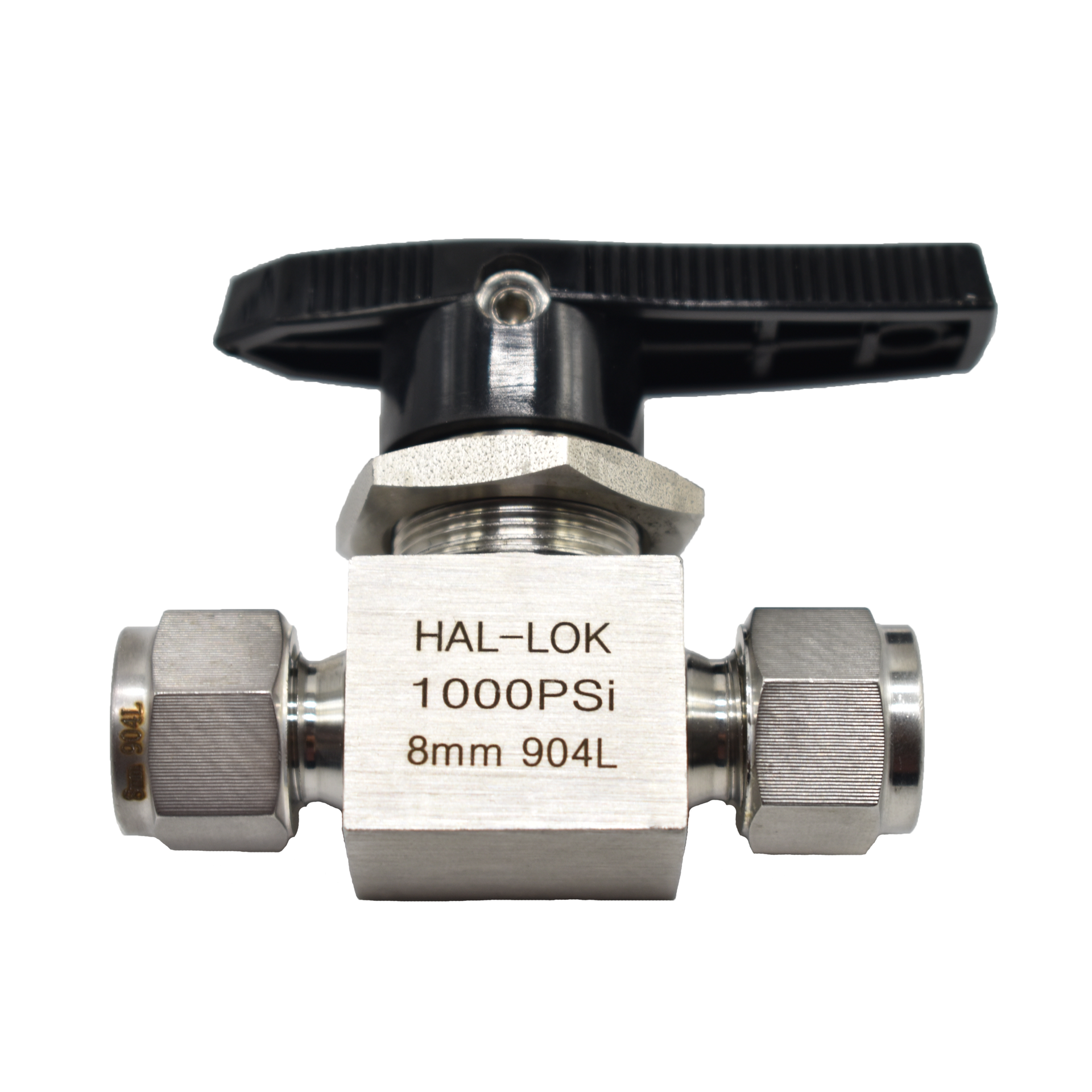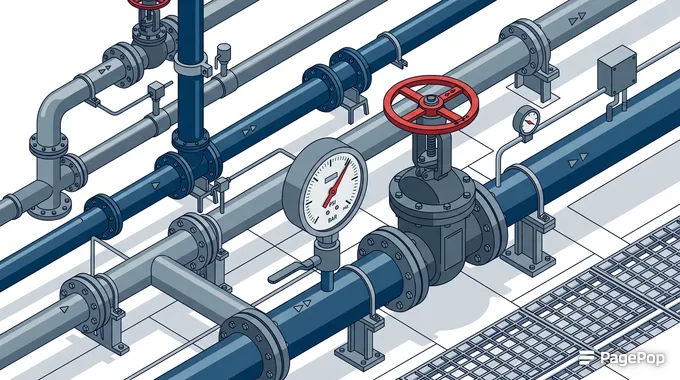
You are looking over a specification sheet for a new piping system. The system requires a maximum operating pressure of 2.0 MPa. You check the inventory and find a batch of valves stamped with PN16.
16 is a bigger number than 2.0, so you should be good to go, right?
If you make that assumption, you are setting your project up for a catastrophic failure. In industrial engineering, fluid control, and piping systems, mixing up pressure ratings and physical pressure units is a surprisingly common mistake. It usually stems from a fundamental misunderstanding of what PN and MPa actually represent.
Let’s clear up the confusion and look at exactly how these two terms differ, how they connect, and why getting them right keeps your pipes intact and your facility safe.
What Exactly is PN?
PN stands for Pressure Nominal (or Pression Nominale in French).
Despite having the word "pressure" in its name, PN is not a physical unit of measurement. You cannot measure the pressure of water inside a pipe and say, "The water is flowing at 16 PN."
Instead, PN is a rating class or a designation. It is used globally (especially in European and ISO standards) to classify pipes, flanges, valves, and other fittings based on their mechanical strength and pressure-retaining capabilities.
When you see a designation like PN16, PN25, or PN40, it tells you the maximum allowable working pressure that the specific component can safely handle at a specific reference temperature—usually 20°C (room temperature).
Think of PN as a weight class in wrestling. Being a "heavyweight" doesn't tell you exactly how many pounds the wrestler weighs at this exact second; it just tells you the category they belong to and the general limits of their class.
What is MPa?
MPa stands for Megapascal.
Unlike PN, MPa is a strict, standardized physical unit of measurement. It belongs to the International System of Units (SI) and is used to quantify the exact amount of force applied over a specific area.
One Pascal equals one Newton of force per square meter. A Megapascal is one million Pascals. When a pressure gauge on a tank reads "1.5 MPa," it is giving you absolute, real-time data about the physical force the gas or liquid inside is exerting on the walls of that tank.
If PN is the weight class, MPa is the actual number you see when you step on the scale.
The Core Difference (And the PN16 Trap)
The biggest trap engineers and procurement specialists fall into is assuming that the number following "PN" directly translates to Megapascals.
PN16 does not equal 16 MPa.
To understand how they connect, you have to look at the standards (like EN 1092-1 or ISO 7005). In most European and international metric standards, the number in the PN designation corresponds to the component's nominal pressure capacity in bar, not MPa.
Here is the basic math:
1 bar = 0.1 MPa
Therefore, a component rated PN16 is designed to handle a nominal pressure of 16 bar. Convert that to Megapascals, and you get 1.6 MPa.
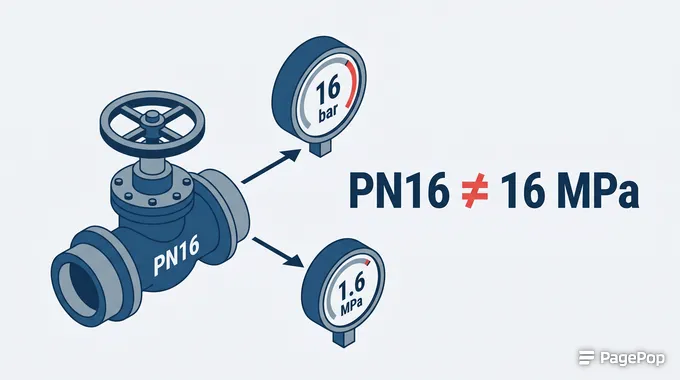
Let's revisit the scenario from the beginning of this article. Your system runs at 2.0 MPa. If you install a PN16 valve (which is only rated for 1.6 MPa), the system pressure will exceed the valve's design limit by 25%. The valve will likely leak, deform, or burst.
If you actually needed a valve to handle 16 MPa of pressure, you would need to look for a component rated at PN160.
Real-World Applications: Temperature Changes Everything
Understanding the basic conversion between PN and MPa is only half the battle. The real world is rarely a perfect 20°C, and temperature plays a massive role in how these two concepts interact.
As mentioned earlier, a PN rating indicates the maximum allowable pressure at a reference temperature. But metals and plastics change their physical properties as they heat up. When the temperature of the fluid inside the pipe increases, the mechanical strength of the pipe or valve decreases.
This means the actual MPa a PN-rated component can handle drops as the heat rises.

For example, a standard carbon steel flange rated at PN40 can safely handle 4.0 MPa of pressure when the water inside is 20°C. However, if you are pumping steam through that same flange at 200°C, the material weakens. According to standard pressure-temperature rating charts, that same PN40 flange might only be rated to handle 3.3 MPa at 200°C.
This is why you can never just look at a PN number and assume the component is safe for your system. You must always cross-reference the PN class with the actual operating temperature to find the true maximum allowable pressure in MPa.
The Risks of Confusion
Mixing up PN and MPa isn't just a paperwork error. It has severe real-world consequences:
Catastrophic Failure: Installing a low-pressure component (like PN10) in a high-pressure system (like 10 MPa) will result in immediate structural failure. Pipes burst, toxic or scalding fluids leak, and personnel are put in direct danger.
Over-engineering and Wasted Money: The reverse is also true. If your system requires 1.6 MPa, and you mistakenly order PN160 valves thinking you need "160" to cover the "16" decimal, you will end up buying incredibly thick, heavy, and expensive equipment for no reason. You blow your budget on unnecessary bulk.
Compliance and Insurance Issues: Industrial systems must pass rigorous safety inspections. If an inspector finds mismatched PN ratings for the required MPa operating pressure, the system will fail certification, delaying the project and potentially voiding insurance policies.
The Bottom Line
When you are dealing with fluid systems, keep these rules in mind:
PN is a category. It tells you the design class of the component.
MPa is a measurement. It tells you the actual physical force in the system.
Divide by 10. As a quick mental shortcut, dividing the PN number by 10 gives you the rough MPa equivalent at room temperature (PN16 = 1.6 MPa).
Check the charts. Always consult the manufacturer's pressure-temperature rating tables to see exactly how many MPa your PN-rated part can handle at your specific operating temperature.