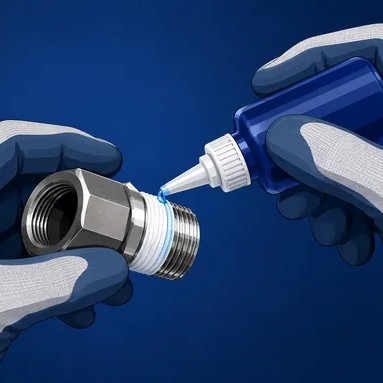
Instrument tube fittings are critical components in process control systems, ensuring reliable connections between instruments, valves, and piping systems. Choosing the right fitting type and installing it correctly can mean the difference between a safe, leak-free system and costly downtime or hazardous situations.
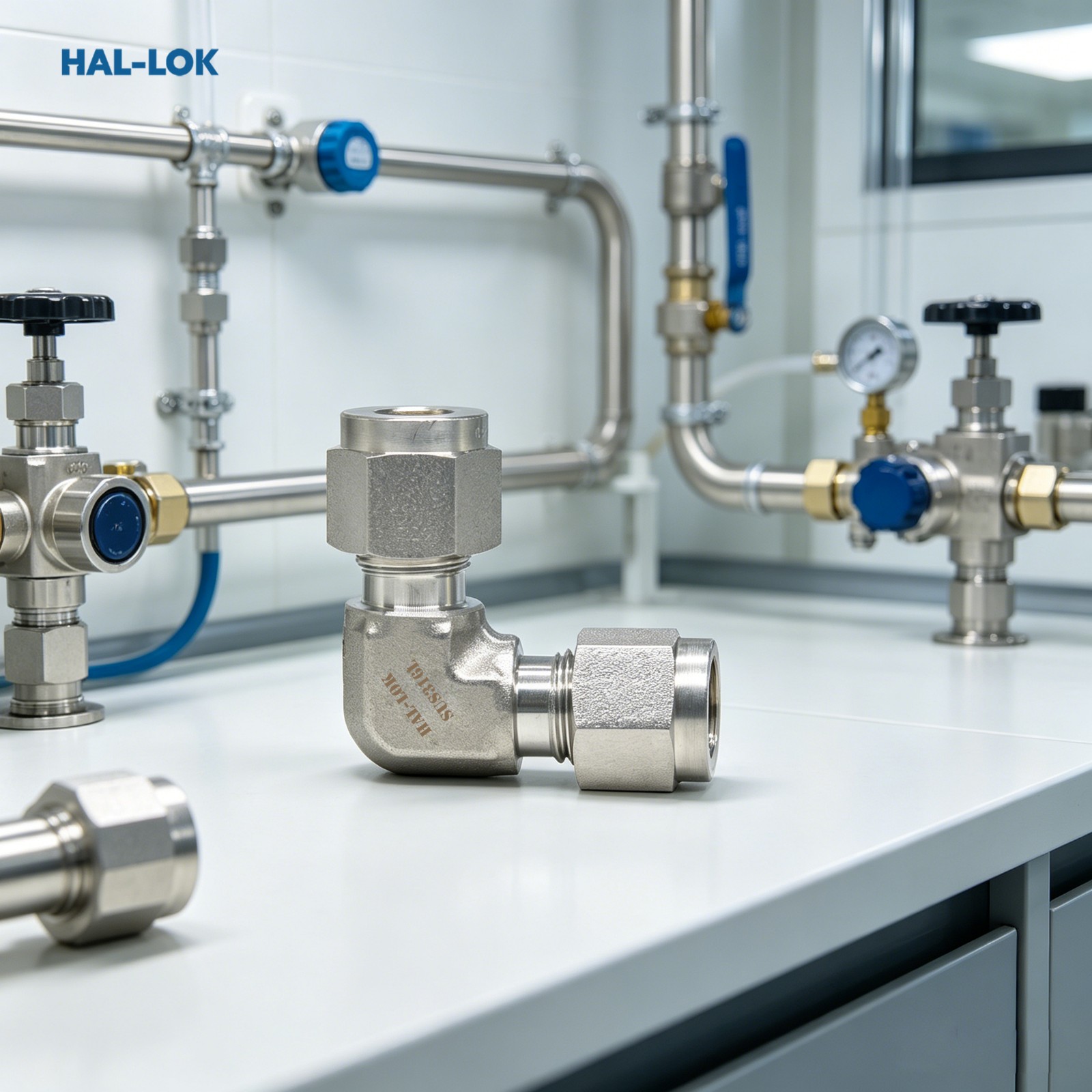
Common Types of Instrument Tube Fittings
1. Compression Fittings
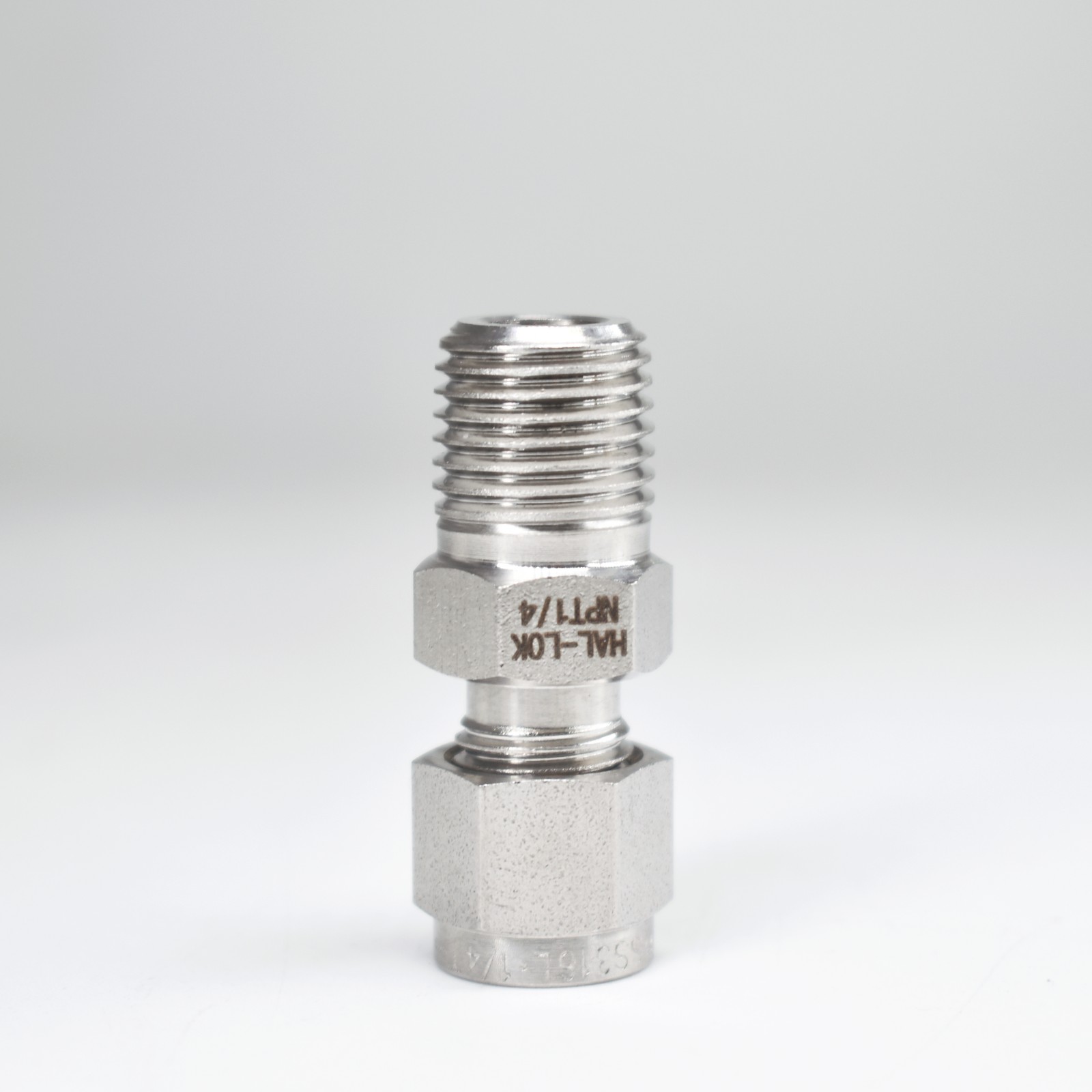
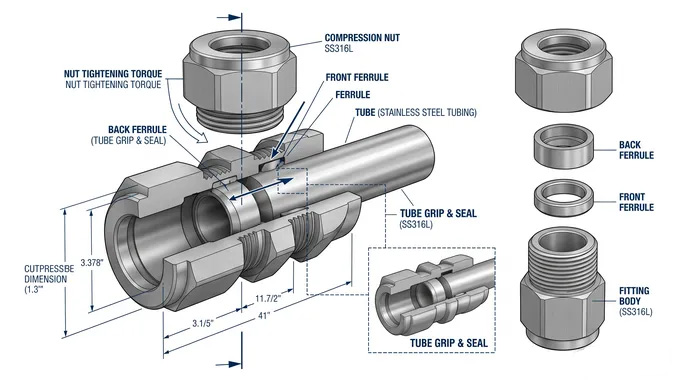
Compression fittings are among the most widely used types in instrumentation applications. They consist of three main components: a nut, a ferrule (or gland), and a body. When tightened, the ferrule compresses onto the tube, creating a secure seal.
Advantages:
Easy to install and remove
No special tools required
Suitable for various tube materials
Good for moderate pressure applications
Best For: Low to medium pressure systems, temporary connections, and applications requiring frequent maintenance.
2. Flare Fittings
Flare fittings require the tube end to be flared using a specialized tool before assembly. The flared end seats against the fitting body, creating a metal-to-metal seal when compressed by the nut.
Advantages:
Excellent for high-pressure applications
Reliable metal-to-metal seal
Suitable for hydraulic systems
Resistant to vibration
Best For: High-pressure hydraulic systems, automotive applications, and environments with significant vibration.
3. Push-to-Connect Fittings
Also known as quick-connect fittings, these allow for rapid connection and disconnection without tools. Internal gripping mechanisms hold the tube securely while O-rings provide sealing.
Advantages:
Fastest installation time
Tool-free operation
Ideal for pneumatic systems
Easy reconfiguration
Best For: Pneumatic systems, low-pressure applications, and situations requiring frequent changes.
4. Welded Fittings
Welded fittings provide permanent connections through welding processes. They offer the highest integrity but require skilled labor and cannot be easily modified.
Advantages:
Highest pressure rating
No potential leak paths from threaded connections
Excellent for critical applications
Long-term reliability
Best For: Critical safety applications, ultra-high pressure systems, and permanent installations.
5. Threaded Fittings
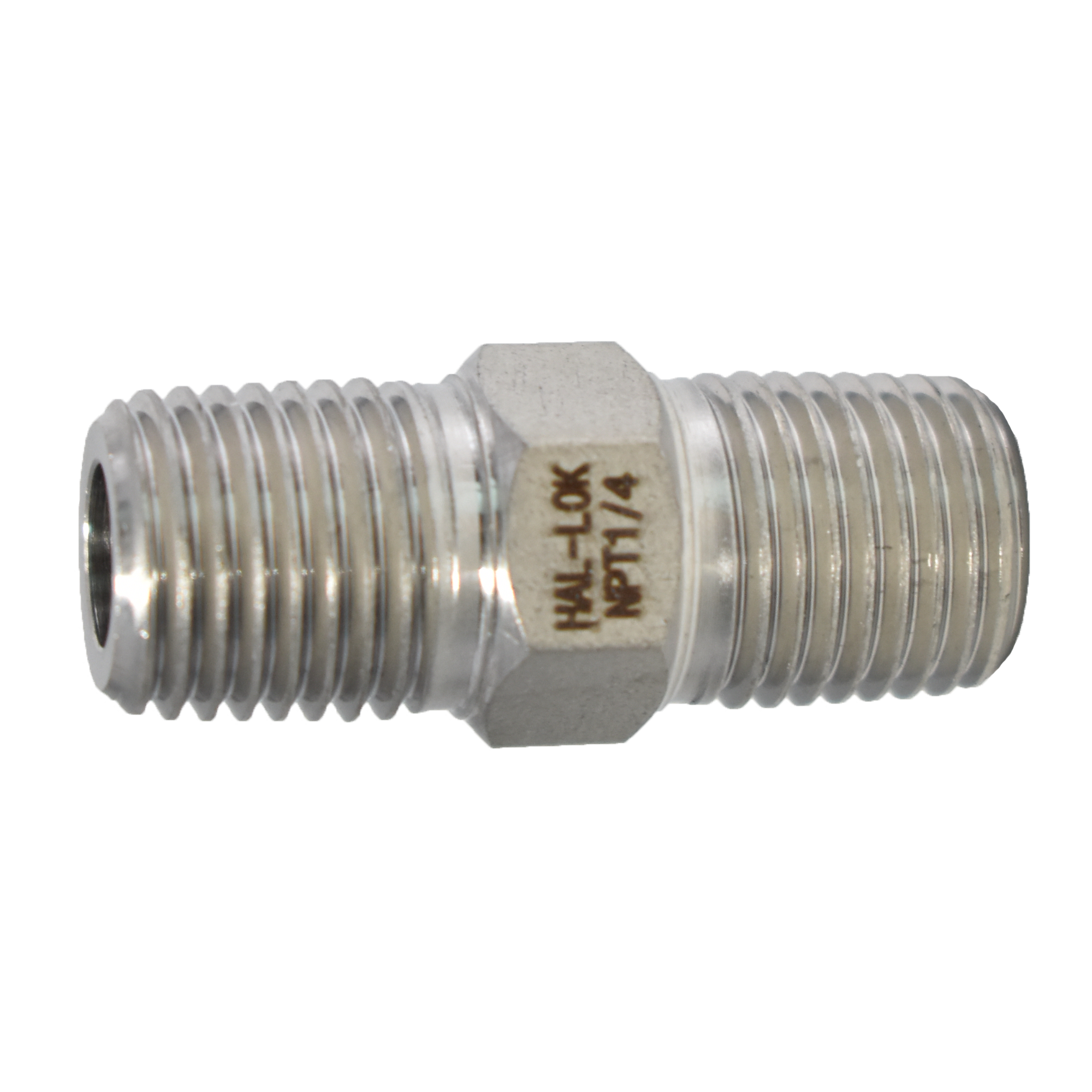
Traditional threaded fittings use tapered (NPT) or parallel threads to create connections. While common, they require proper sealing methods like thread tape or compound.
Advantages:
Widely available and inexpensive
Familiar to most technicians
Good for low-pressure applications
Easy to source replacements
Best For: Low-pressure systems, non-critical applications, and budget-conscious projects.
Selecting the Right Fitting for Your Application
Choosing the appropriate fitting requires careful consideration of several factors:
Pressure Requirements
Always select fittings rated for pressures exceeding your maximum operating pressure by at least 25%. Consider pressure spikes and thermal expansion effects.
Temperature Range
Ensure the fitting material and sealing method can withstand both minimum and maximum operating temperatures. Some materials become brittle at low temperatures or lose strength at high temperatures.
Media Compatibility
The fitting material must be compatible with the process media to prevent corrosion, contamination, or degradation. Common materials include stainless steel, brass, carbon steel, and various alloys.
Vibration and Movement
Applications with significant vibration or thermal cycling benefit from fittings that can accommodate movement without losing seal integrity. Flare and compression fittings generally perform better than threaded connections in vibrating environments.
Maintenance Requirements
Consider how often the connection may need to be disconnected. Push-to-connect and compression fittings excel in applications requiring frequent maintenance, while welded fittings suit permanent installations.
Proper Installation Practices
Correct installation is crucial for fitting performance and safety:
Preparation
Inspect tubes for defects, scratches, or ovality
Cut tubes square and deburr edges
Clean all components thoroughly
Verify correct fitting size and type
Installation Steps
Insert the tube fully into the fitting body
Hand-tighten the nut to ensure proper alignment
Use appropriate tools to tighten to manufacturer specifications
Avoid over-tightening, which can damage components
Mark fittings after tightening to detect loosening
Common Mistakes to Avoid
Using incorrect tube sizes or wall thicknesses
Mixing components from different manufacturers
Over-tightening or under-tightening connections
Reusing ferrules or seals designed for single use
Ignoring manufacturer torque specifications
Testing and Verification
After installation, always pressure test the system according to applicable standards. Check for leaks using appropriate detection methods such as soap solution, ultrasonic detectors, or pressure decay tests.
Instrument tube fittings may seem like simple components, but their proper selection and installation are vital for system reliability and safety. By understanding the different types available, considering your specific application requirements, and following proper installation practices, you can ensure leak-free, long-lasting connections in your instrumentation systems.
Remember: when in doubt, consult manufacturer guidelines and industry standards. The small investment in proper fitting selection and installation pays dividends in reduced maintenance, improved safety, and extended system life.