From the abyssal depths of offshore oil platforms to the ultra-sterile environments of modern medical facilities, one unsung hero forms the circulatory system of global industry: the stainless steel seamless pipe. Unlike their welded counterparts, seamless pipes offer unparalleled structural integrity, making them the gold standard for high-pressure, high-stress, and highly corrosive environments.
However, maximizing the lifespan and efficiency of these engineering marvels requires more than just purchasing the right grade. It demands a deep understanding of their inherent characteristics, rigorous installation protocols, and a meticulous maintenance regimen.
This comprehensive guide delves into the intricate world of stainless steel seamless pipes, exploring their product features, critical usage precautions, maintenance methodologies, and diverse application scenarios.

1. Unveiling the Excellence: Core Product Features
The superiority of stainless steel seamless pipes is not accidental; it is a product of advanced metallurgy and rigorous manufacturing processes. Understanding these features is the first step in leveraging their full potential.
1.1 The Anatomy of Seamless Strength
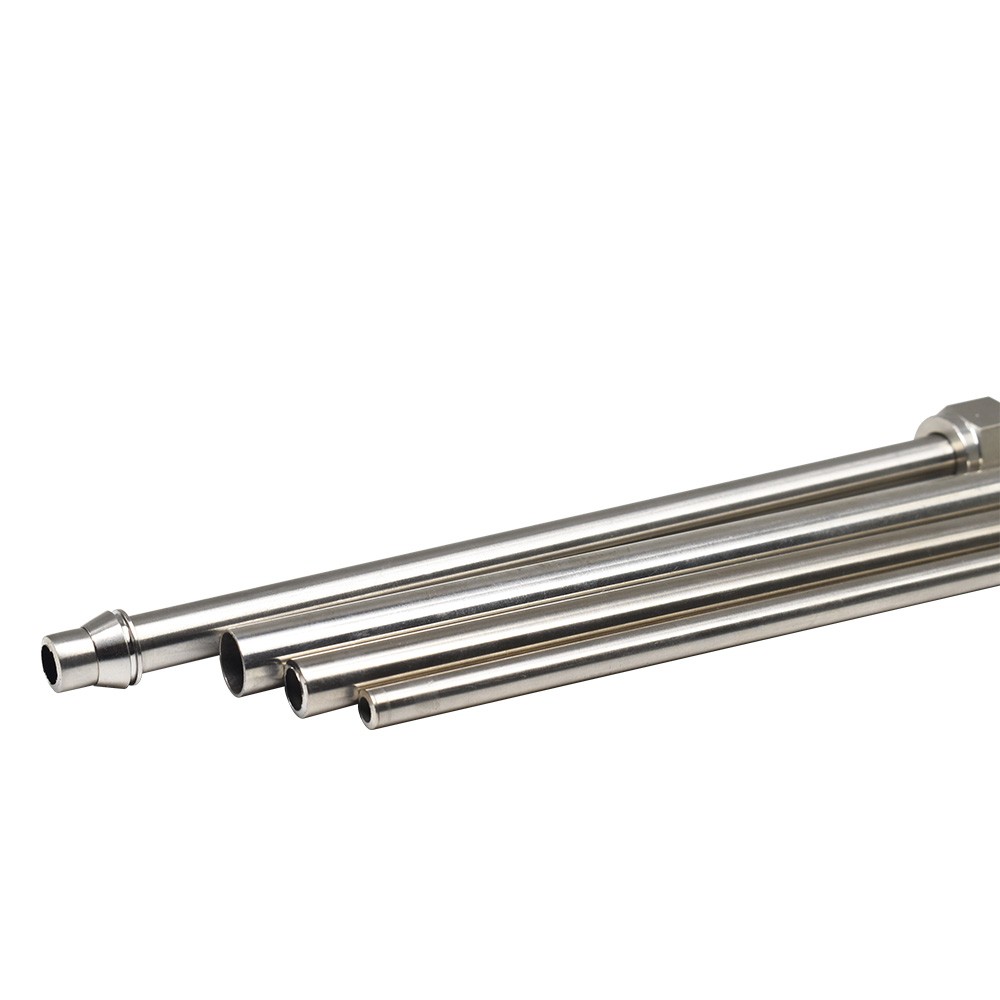
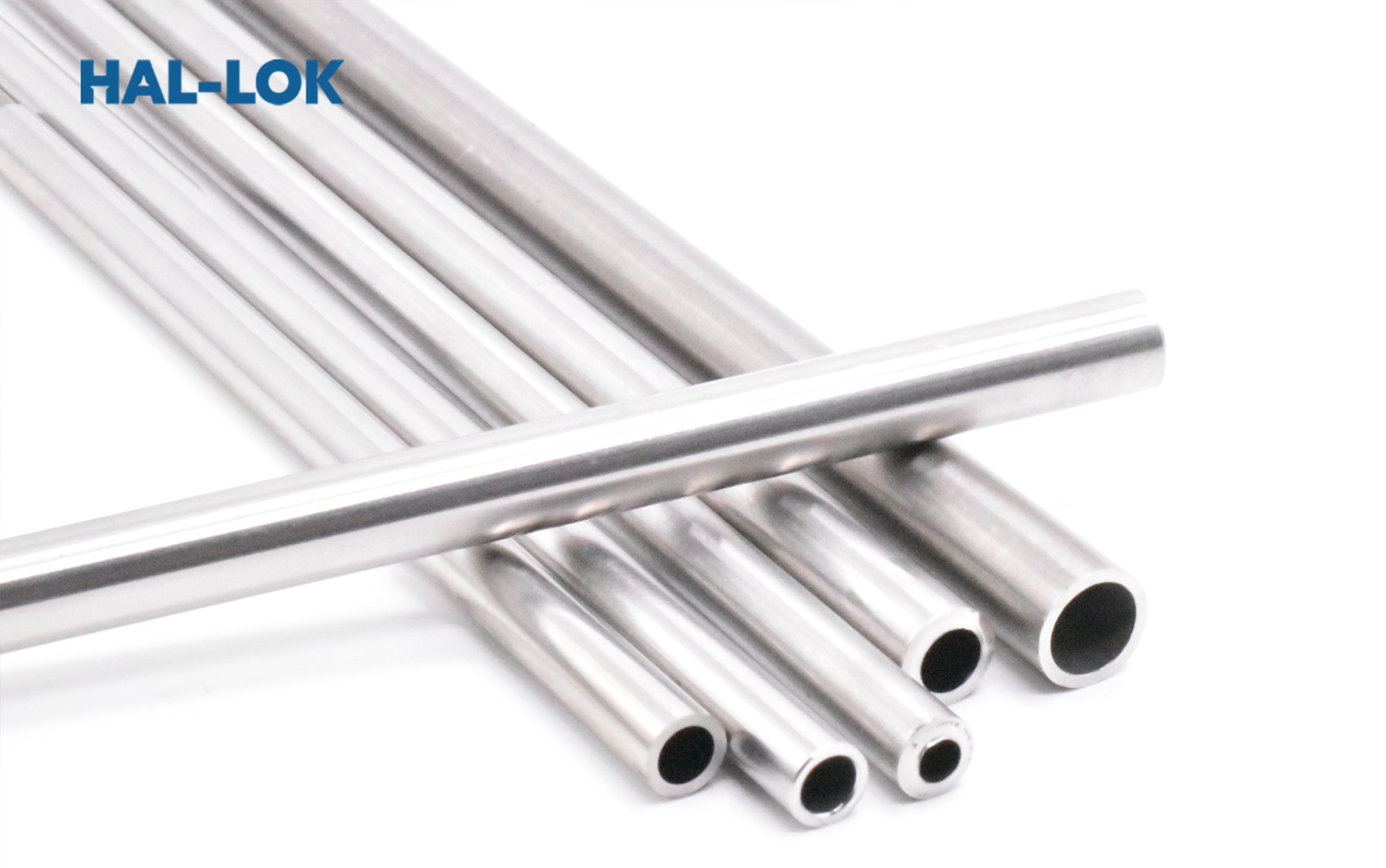
The defining characteristic of a seamless pipe is its hollow cross-section devoid of any longitudinal or spiral welds. This is achieved through a complex manufacturing process that begins with piercing a solid steel billet, followed by cold rolling or cold drawing.
Mechanical Superiority: Because there is no weld seam—which acts as a traditional weak point—seamless pipes exhibit exceptional performance in high-pressure and high-strength applications.
Optimal Weight-to-Strength Ratio: When compared to solid steel bars, seamless pipes provide identical bending and torsional strength but at a significantly lighter weight. This makes them an indispensable component in mechanical structures where weight reduction is crucial without compromising structural integrity.

1.2 The Shield of Invincibility: Corrosion Resistance
The true magic of stainless steel lies in its chemical composition. By incorporating at least 12% chromium, the steel forms a microscopic, self-healing "passive film" on its surface.
This oxide layer acts as an impenetrable shield against atmospheric corrosion, water, acids, alkalis, and salts.
To further tailor the pipes for extreme environments, alloying elements such as nickel and molybdenum are added, drastically enhancing resistance to localized pitting and crevice corrosion in chloride-rich environments.
1.3 Economic Dynamics and Manufacturing Nuances
While seamless pipes offer premium performance, their economic model is highly dependent on specifications:
Wall Thickness dictates Cost-Efficiency: Thicker-walled pipes are generally more cost-effective for heavy-duty applications. Conversely, thin-walled pipes require extensive processing, driving up manufacturing costs.
Process Limitations: Users must be aware that fixed-length production incurs higher costs. Furthermore, if precision during manufacturing is low, the pipe may suffer from uneven wall thickness and lower surface brightness. Raw surfaces are prone to pitting and black spots, necessitating specialized offline treatments like pickling and polishing to achieve a high-quality finish.
2. Navigating the Complexities: Crucial Usage Precautions
Procuring high-quality seamless pipes is only half the battle; improper installation and usage can rapidly degrade even the finest materials. Strict adherence to operational guidelines is mandatory.
2.1 Installation and Pre-commissioning Specifications
Material Matching: It is imperative to select the appropriate material grade based on the transport medium. Highly corrosive environments demand specific grades (e.g., 316L). Always verify the manufacturer's material certification before installation.
Rigorous Defect Inspection: Never assume a pipe is flawless. Before deployment, conduct non-destructive testing (NDT), such as ultrasonic testing or X-ray inspection, to eliminate the possibility of internal cracks, pores, or structural defects.
Welding and Structural Support: When joining pipes, use welding electrodes that perfectly match the base material to prevent intergranular corrosion at the weld zone. Additionally, ensure that structural support spacing is kept to ≤3 meters to distribute mechanical stress evenly and prevent sagging or fracture.
Pressure Control: Operational discipline is vital. The operating pressure should never exceed 80% of the pipe's maximum design pressure. Regular pressure testing must be integrated into the system's maintenance schedule.
2.2 Environmental Vigilance
Temperature Extremes: Standard stainless steel seamless pipes have thermal thresholds. Avoid long-term operations below -40°C or above 400°C unless utilizing specialized heat-resistant grades.
Extreme Loads: For thick-walled pipes subjected to high-velocity or abrasive media, regularly monitor wall thickness to detect premature wear and prevent catastrophic blowouts.
2.3 Safety Warnings and Authenticity
Counterfeit Identification: The market is unfortunately plagued by subpar materials. Low-quality pipes often exhibit visible burrs and severe dimensional deviations. A practical method to identify material theft or under-specced pipes is to weigh entire bundles and compare them against theoretical weights.
Emergency Response: If any leakage, bulging, or structural deformation is detected, immediately halt operations. Depressurize and empty the pipeline completely before attempting any replacement or repair.
3. Prolonging the Lifespan: Maintenance and Repair Strategies
The longevity of a stainless steel seamless pipe is directly proportional to the quality of its maintenance. The core principle of all maintenance activities is simple: Maintain the integrity of the oxide (passive) film.
3.1 Daily Maintenance and Cleaning Protocols
Chloride ions (found in salt, acid, and bleach) are the natural enemies of the passive film.
Proper Cleaning: Always wipe the pipes with a neutral detergent and a soft cloth. Never use steel wool or bleach, as these will scratch the surface and introduce corrosive elements.
Stain Removal: Use alcohol to dissolve stubborn oil stains, then rinse and dry thoroughly. If the pipe is accidentally splashed with salt, vinegar, acid, or alkaline solutions, it must be rinsed with clean water within 10 minutes to prevent chemical etching.
3.2 Physical Protection and Storage
Pre-Installation: Keep the factory-applied PE protective film on new pipes to prevent surface scratches. Handle with care during transportation to avoid collisions with hard objects, which can dent the pipe ends and compromise connections.
Dry Storage: If pipes are to be stored long-term, apply a dedicated stainless steel maintenance paste or anti-rust oil. The warehouse environment is critical: it must be well-ventilated, shielded from direct sunlight, and maintain a humidity level of ≤60%.
3.3 Regular Inspection and Troubleshooting
Routine audits of the pipeline network can prevent minor issues from escalating into major failures.
Visual and Mechanical Checks: Inspect for surface scratches and corrosion spots. Minor scratches can often be buffed out via polishing. Tighten any loose flanges or threads, and proactively replace sealing gaskets at the first sign of leakage.
Tackling Common Blemishes:
Rust Stains: Can be gently wiped away using diluted white vinegar or lemon juice, followed by a thorough clean water rinse and drying.
Water Spots: Remove using alcohol or vinegar, ensuring the surface is wiped completely dry afterward.
3.4 Advanced Interventions for Extreme Environments
For pipelines operating in hyper-corrosive settings (like seawater or chemical processing), standard cleaning is insufficient.
Implement passivation treatments or cathodic protection (such as the sacrificial anode method) to actively defend the metal.
For buried pipelines, visual inspection is impossible. Utilize ultrasonic equipment to regularly measure wall thickness, and mandate a replacement protocol when thickness reduction exceeds safety limits.
4. Powering Modern Industry: Diverse Application Scenarios
The versatility of stainless steel seamless pipes allows them to serve as the critical infrastructure in a vast array of global industries.
4.1 Purity and Precision: Chemical, Food, and Medical Industries
In sectors where contamination can be fatal, seamless pipes are non-negotiable.
They are used to convey highly corrosive chemical media (acids and alkalis) safely.
In the food and medical sectors, they transport fluids with the highest hygiene requirements, such as purified drinking water, pharmaceuticals, and intravenous fluids. Grades 304 and 316L are the undisputed champions here due to their non-reactive nature and ease of sterilization.
High-End Fluid Transportation: Food-grade 304 seamless coils are specifically utilized in commercial coffee machines and high-end water heaters to prevent chloride corrosion that typically occurs at weld seams.
4.2 Conquering the Oceans: Marine Engineering
The marine environment is notoriously unforgiving, with saltwater acting as a highly aggressive corrosive agent.
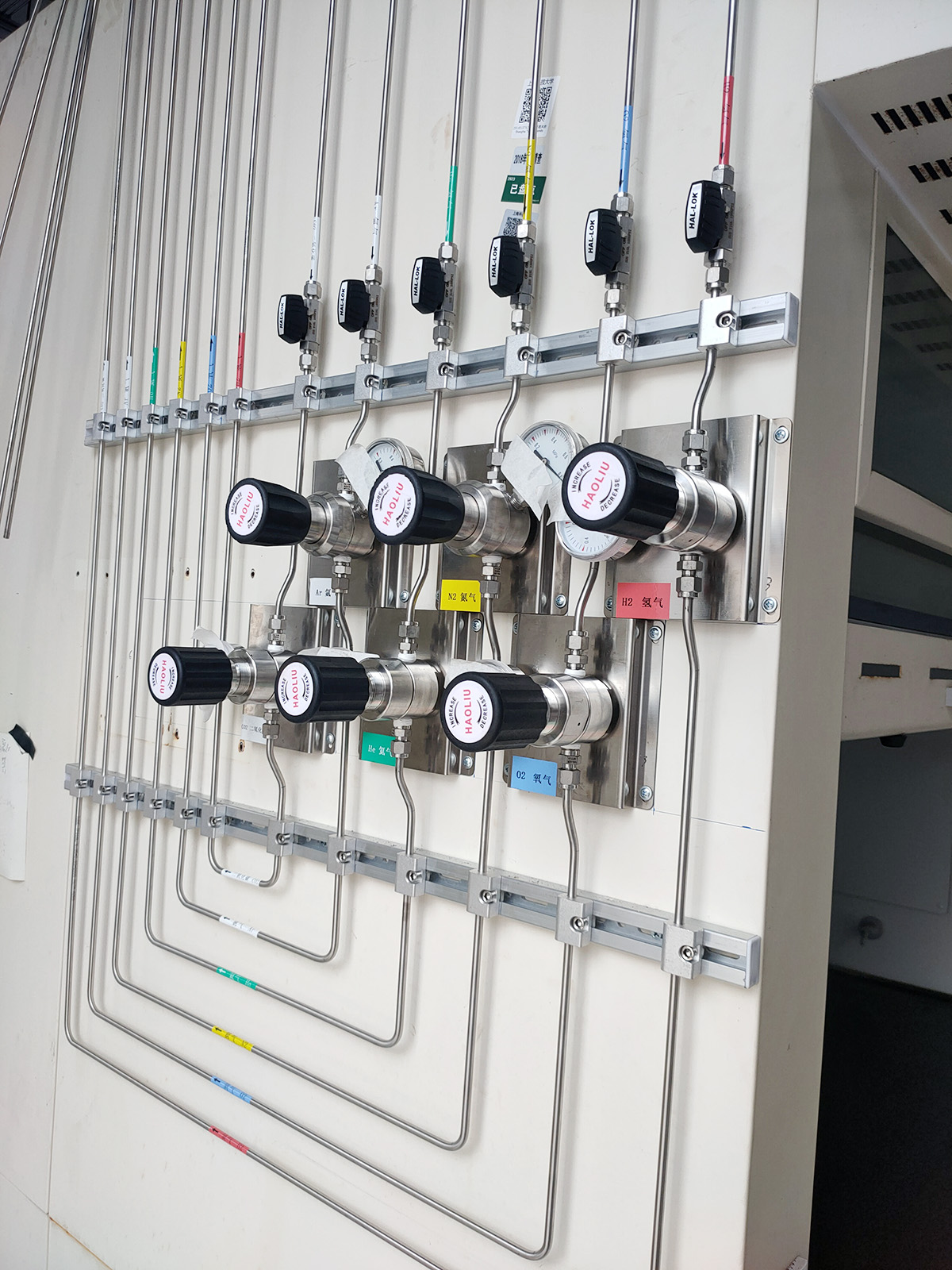
Seamless pipes are integral to seawater desalination systems and the complex pipeline networks of offshore drilling platforms.
These applications require extreme seawater corrosion resistance, heavily relying on Duplex stainless steel or 316L to withstand the harsh saline conditions.
4.3 Trial by Fire: High-Temperature and Nuclear Applications
Certain industries push materials to their absolute thermal and radioactive limits.
Petrochemical and Power Generation: Applications like petrochemical cracking furnace tubes and supercritical boiler superheaters require materials that can withstand temperatures well above 450°C while resisting high-temperature corrosion. Grades 321 and 347 (heat-resistant stainless steels) are engineered precisely for this purpose.
Special Environment Structural Components: In the most extreme scenarios—such as offshore platform risers and nuclear power steam generator heat transfer tubes—the stakes are unimaginably high. These environments demand absolute resistance to radiation and intergranular corrosion, necessitating the use of highly specialized materials like nuclear-grade 304L or Alloy 690.
Conclusion
Stainless steel seamless pipes are far more than mere conduits; they are highly engineered components that ensure the safety, efficiency, and purity of modern industrial processes. By understanding their metallurgical features, respecting their operational limits, and adhering to strict maintenance protocols, industries can ensure these vital arteries continue to flow flawlessly for decades. Whether you are designing a nuclear reactor or manufacturing a high-end espresso machine, the seamless pipe remains a testament to the enduring power of precision engineering.