Core Function: Automatically closes to prevent medium backflow, protecting equipment and system stability.
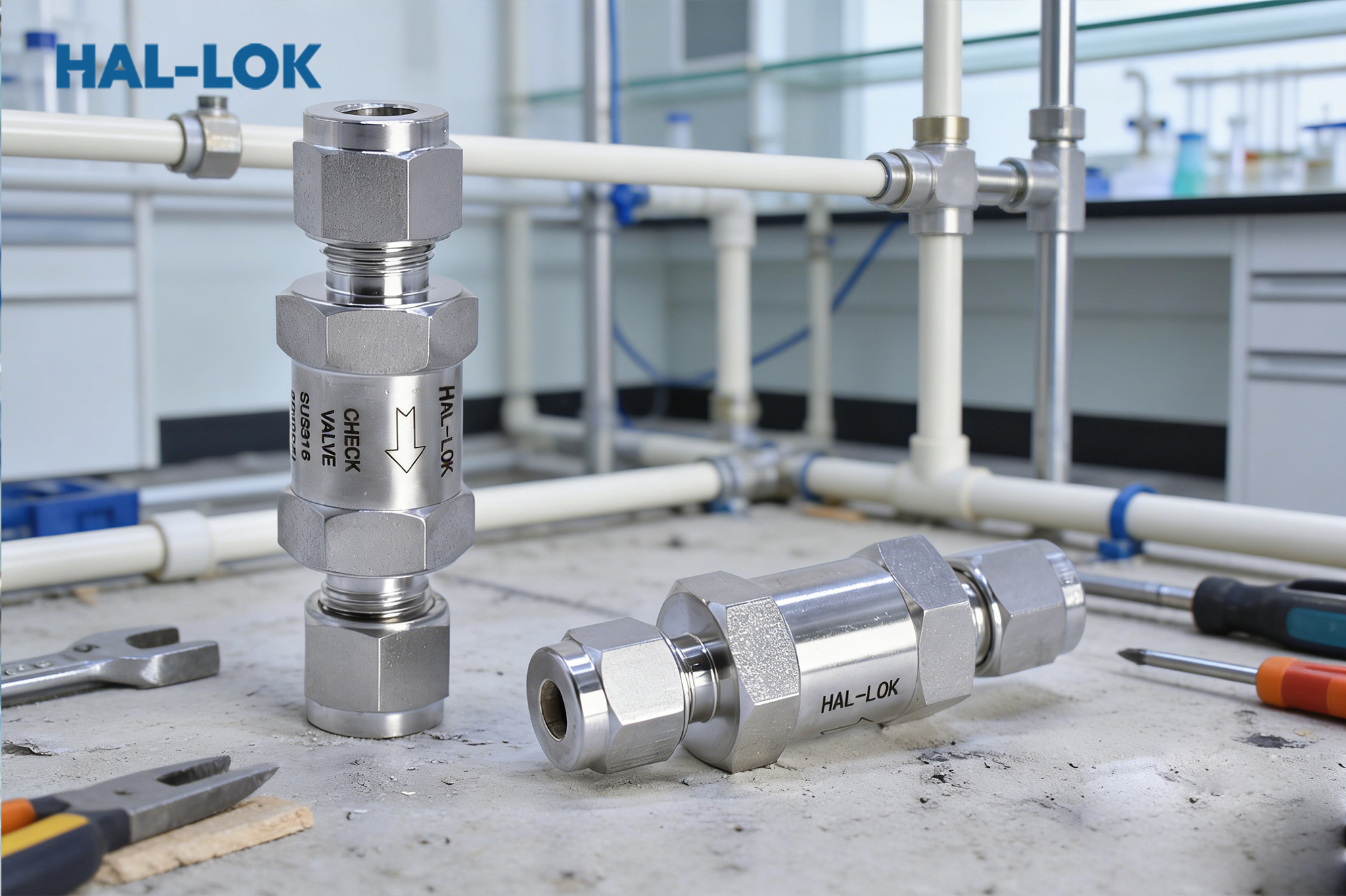
In the intricate and high-stakes world of modern industrial engineering, the difference between seamless operation and catastrophic failure often hinges on components that fit in the palm of your hand. Among these critical elements, the stainless steel bite type straight check valve stands as a paragon of mechanical reliability. From the high-pressure arteries of offshore drilling platforms to the ultra-pure fluid pathways of pharmaceutical manufacturing, these valves silently govern the flow of liquids and gases, ensuring unidirectional movement and safeguarding multi-million-dollar systems against the destructive forces of backflow.
This comprehensive guide delves deep into the engineering marvel of the stainless steel bite type straight check valve. We will explore its underlying physics, dissect its robust features, provide a masterclass in its installation, and outline the rigorous maintenance protocols required to maximize its operational lifespan. Whether you are a seasoned fluid systems engineer, a maintenance technician, or an industrial procurement specialist, understanding the nuances of this component is paramount to optimizing your system's performance and safety.
1. The Anatomy of Reliability: Exploring Product Features
The stainless steel bite type straight check valve is not merely a piece of hardware; it is a highly engineered solution designed to operate flawlessly under extreme conditions. Its design reflects a meticulous balance between metallurgical science and fluid dynamics.
1.1 The Ingenuity of the Bite Type Connection
One of the most defining characteristics of this valve is its bite type (or ferrule) connection system. Unlike traditional flanged or threaded connections that may require cumbersome welding or complex sealing compounds, the bite type mechanism allows for rapid, secure, and weld-free installation. As the nut is tightened, the internal ferrule "bites" into the outer wall of the tubing, creating a robust mechanical grip and a leak-tight seal. This design is exceptionally resistant to high-pressure shocks, intense vibrations, and thermal cycling, making it the gold standard for dynamic industrial environments.
1.2 Optimized Straight Flow Path
Fluid resistance is the enemy of system efficiency. Every bend and constriction in a pipeline results in pressure drops, requiring pumps to work harder and consuming more energy. The straight flow path of this check valve minimizes turbulence and frictional losses. By allowing the medium to pass through with minimal obstruction, it significantly improves overall system efficiency, making it highly suitable for high-velocity and high-pressure fluid control applications where maintaining kinetic energy is crucial.
1.3 Metallurgical Superiority: 304 and 316 Stainless Steel
Durability is dictated by material science. These valves are predominantly forged from premium 304 or 316 stainless steel. 304 Stainless Steel offers excellent general corrosion resistance and structural integrity for standard water, oil, and gas applications. 316 Stainless Steel, augmented with molybdenum, provides superior resistance to pitting and crevice corrosion, particularly in chloride-rich environments like marine applications or harsh chemical processing. Furthermore, these materials grant the valve an extraordinary thermal operational envelope, functioning reliably in extreme temperatures ranging from a frigid -20℃ to +440℃.
1.4 High-Pressure Compatibility
In industries such as petroleum refinement and heavy hydraulic machinery, pressure is a constant threat. These valves are engineered with a robust wall thickness and structural geometry capable of withstanding working pressures up to an astonishing 6000PSI (approximately 413 bar). This high-pressure compatibility ensures that the valve will not rupture or deform even under severe systemic stress.
1.5 Precision Poppet Design
At the heart of the valve lies the precision-machined poppet. The mass and geometry of the poppet, combined with the calibrated tension of the internal spring, ensure an ultra-fast response time. The moment fluid velocity drops or reverses, the poppet snaps shut, providing reliable one-way sealing. This rapid actuation is critical in protecting sensitive upstream equipment, such as pumps and compressors, from the damaging effects of water hammer and reverse flow.
2. The Physics of Flow: Understanding the Working Principle
To truly appreciate the value of a check valve, one must understand the elegant physics that govern its operation. The stainless steel bite type straight check valve achieves unidirectional flow control through a delicate, automatic balance between the kinetic energy of the medium and the mechanical potential energy of the internal spring.

2.1 The Dynamics of Forward Flow
When the system is active, the medium (liquid or gas) enters through the inlet port. As the fluid pressure builds, it exerts a force against the face of the internal disc or poppet. Once this hydraulic or pneumatic force exceeds the opposing "cracking pressure" (the pre-set tension of the internal spring), the disc is pushed backward. This action compresses the spring, opening the poppet and creating an annular space for the medium to flow smoothly through the valve body. The straight-through design ensures that as long as the forward pressure is maintained, the fluid passes with minimal aerodynamic or hydrodynamic drag.
2.2 The Mechanics of Reverse Shut-off
The true test of a check valve occurs when the system halts or experiences a pressure anomaly. If the forward flow ceases or if downstream pressure suddenly exceeds upstream pressure, the medium attempts to flow backward. At this precise moment, two forces work in tandem to seal the valve: 1. Spring Force: The compressed spring instantly expands, driving the poppet back toward its resting position. 2. Reverse Pressure: The reversing fluid itself pushes against the back of the poppet. These combined forces press the disc tightly against the precision-machined sealing surface of the valve seat. The higher the backpressure, the tighter the seal becomes, effectively creating an impenetrable barrier that completely prevents backflow.
3. Precision in Practice: The Ultimate Installation Guide
A valve is only as reliable as its installation. Improper fitting is the leading cause of premature failure, leakage, and system downtime. Adhering to strict mechanical protocols during installation is non-negotiable.
3.1 Step-by-Step Mechanical Installation
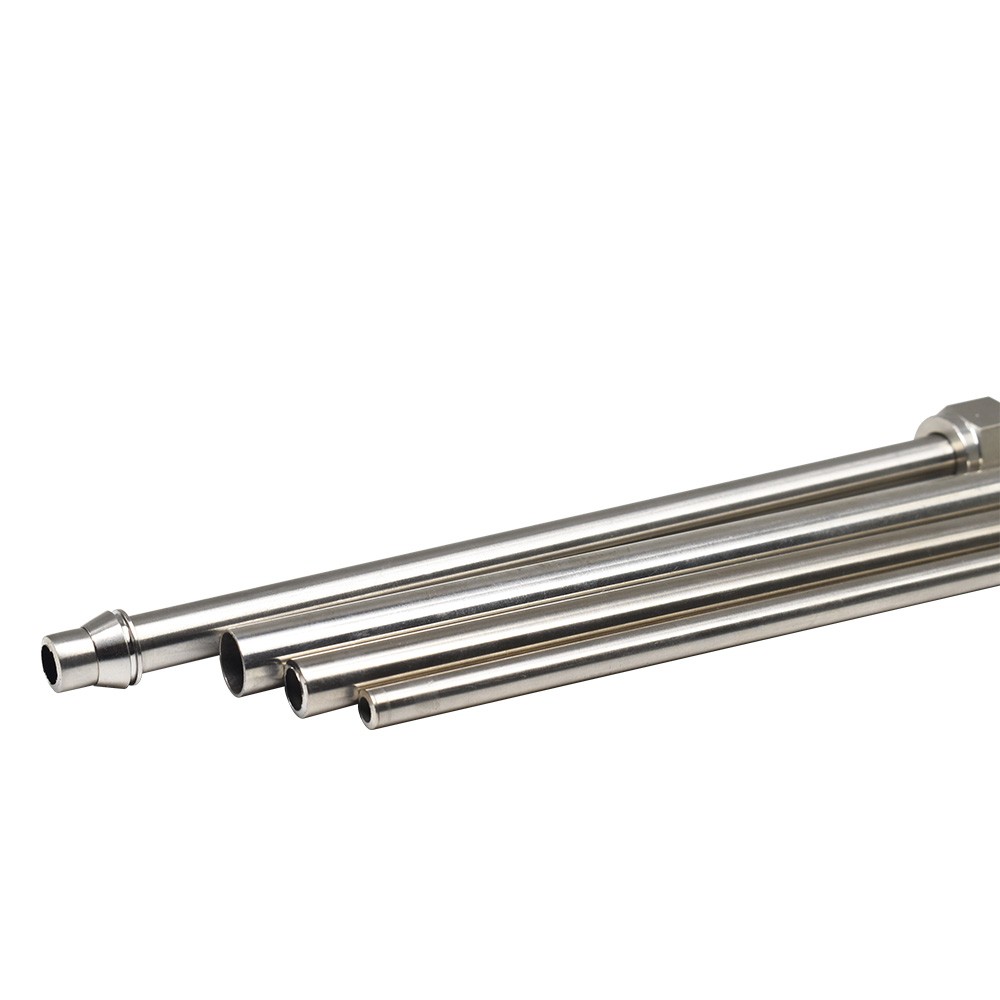
Preparation: Ensure the stainless steel tubing is cut perfectly square and is free from burrs, scratches, or ovality. Clean both the tube end and the valve fitting.
Insertion: Insert the prepared tube into the valve fitting. Push it in firmly until you feel the end of the tube bottom out against the internal shoulder of the fitting. This is a critical step; if the tube is not fully seated, the ferrule will bite the wrong area, leading to catastrophic leaks.
Hand Tightening: Thread the bite nut onto the fitting body and tighten it by hand until you feel firm resistance. This indicates that the ferrule is in contact with the tube and the fitting taper.
Marking and Torquing: Using a marker, draw a line at the 6 o'clock position on the bite nut. Secure the main body of the valve with a backup wrench to prevent it from rotating. Using a second wrench, rotate the bite nut exactly 1-1/4 turns, so your mark moves past a full rotation and rests at the 9 o'clock position. This specific rotation ensures the ferrule has swaged into the tubing to the exact depth required for a high-pressure seal.
4. Safeguarding the System: Crucial Application Notes
Operating a high-pressure fluid system requires constant vigilance. Ensuring the valve operates within its designed parameters is the key to long-term safety and efficiency.
WARNING: Special Working Conditions
Extreme caution must be exercised under specific thermodynamic conditions. The use of standard check valves is strictly prohibited when the fluid temperature exceeds 100℃ and the instantaneous pressure difference across the valve exceeds 2 MPa simultaneously. The combination of high thermal expansion and violent pressure differentials can cause the poppet to warp or shatter, leading to immediate system failure.
Ensure strict specification matching for pressure (3000PSI/6000PSI) and temperature limits. Manage stress and vibration by physically protecting the valve, damping vibrations, and avoiding placement directly at compressor outlets to prevent severe poppet chatter.
5. Longevity and Reliability: Maintenance and Repair Protocols
Even the most robust stainless steel components require periodic attention. A proactive maintenance strategy minimizes downtime and prevents minor issues from escalating into major systemic failures.
Troubleshooting Common Faults
Impurity Blockage:
If the valve fails to close completely or open fully, debris is the likely culprit. Disassemble and carefully extract the poppet and spring, clean the valve seat, and remove any foreign objects.
Seal Failure:
Inspect sealing surfaces and O-rings. Heat or chemical attack can cause seals to harden or crack. Replace damaged seals immediately with OEM components.
Spring Damage:
If the poppet does not reset swiftly, the return spring may have fractured due to fatigue. Replace the spring to restore cracking pressure.
Poppet Sticking:
In systems with infrequent use, minor oxidation may cause seizing. Remove rust using fine abrasives. If pitting is severe, replace the poppet.
6. Empowering Industries: Diverse Application Scenarios

Hydraulic Systems
Prevent the backflow of hydraulic oil when pumps are deactivated, stabilizing cylinder movement and ensuring workplace safety.
Pneumatic Systems
Block reverse flow of compressed air back into the compressor, protecting delicate internal valves from reverse pressure damage.
Water Treatment & Chemical
Control unidirectional flow of aggressive acids, alkalis, and brine salts, ensuring toxic chemicals move strictly from storage to processing.
Petroleum & Pharmaceutical
Prevent dangerous back-surge of hydrocarbons and backflow of active pharmaceutical ingredients to avoid cross-contamination.
In Summary: The core function of the stainless steel bite type straight check valve—automatically closing to prevent medium backflow—might seem simple, but its execution requires absolute engineering perfection. By understanding its features, mastering its installation, and maintaining it rigorously, industries can protect their vital equipment, maintain system stability, and ensure uninterrupted productivity in the face of the most demanding fluid dynamics challenges.