Behind every groundbreaking scientific discovery, precision analytical result, and successful chemical synthesis lies an unsung hero: the laboratory gas pipeline system. Often hidden within walls or suspended from ceilings, these intricate networks are the literal arteries of the modern laboratory. They deliver the lifeblood—high-purity, flammable, corrosive, or inert gases—that fuels high-end instruments like GC-MS, ICP-MS, and bioreactors.
However, a poorly designed or improperly maintained gas system is not just an operational bottleneck; it is a ticking time bomb. The risks range from compromised experimental data due to microscopic impurities to catastrophic events such as explosions or asphyxiation.
In this comprehensive, deep-dive guide, we will meticulously unpack the entire lifecycle of a laboratory gas pipeline system. From the initial blueprint and rigorous installation to meticulous commissioning, ongoing maintenance, and uncompromising safety protocols, this article serves as the ultimate manual for laboratory managers, engineers, and safety officers.
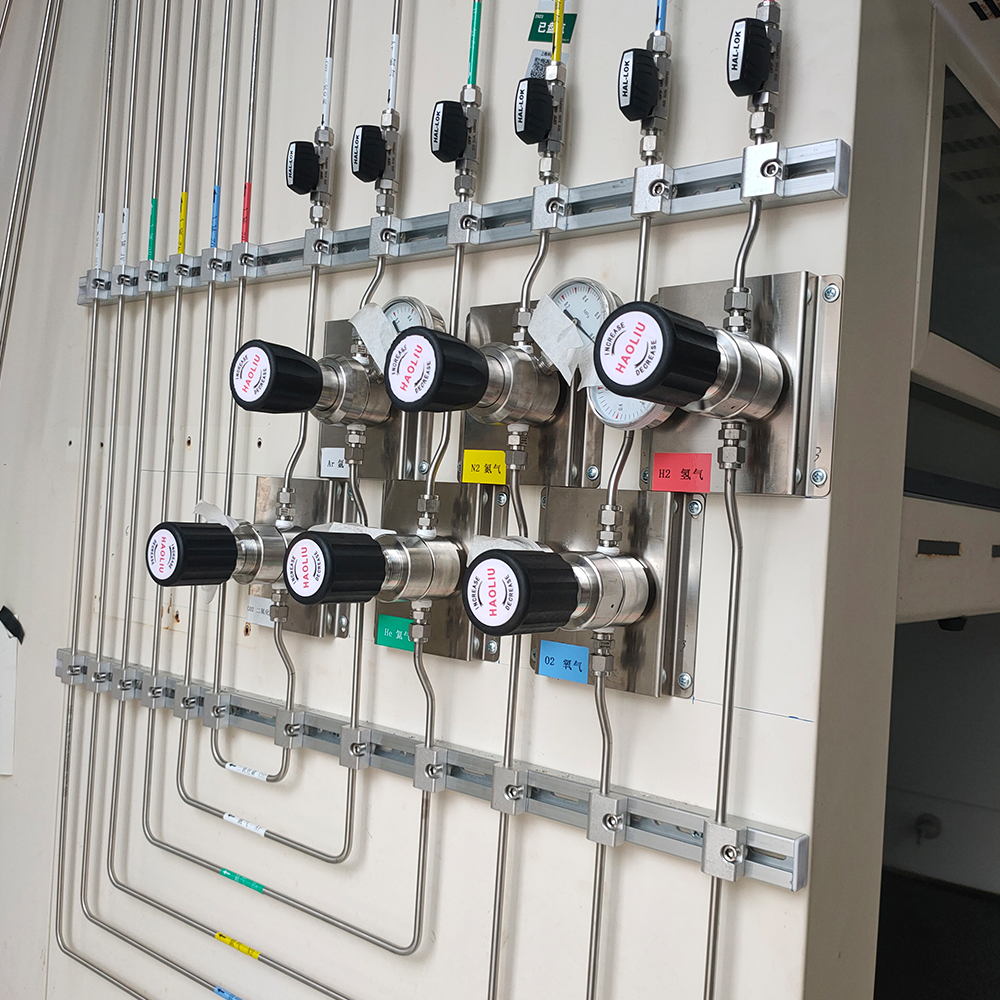
Part I: From Blueprint to Reality – The Installation Protocol
The foundation of a safe and efficient gas system is laid long before the first pipe is cut. Installation is a multidisciplinary engineering feat that requires a deep understanding of fluid dynamics, material science, and laboratory workflows.
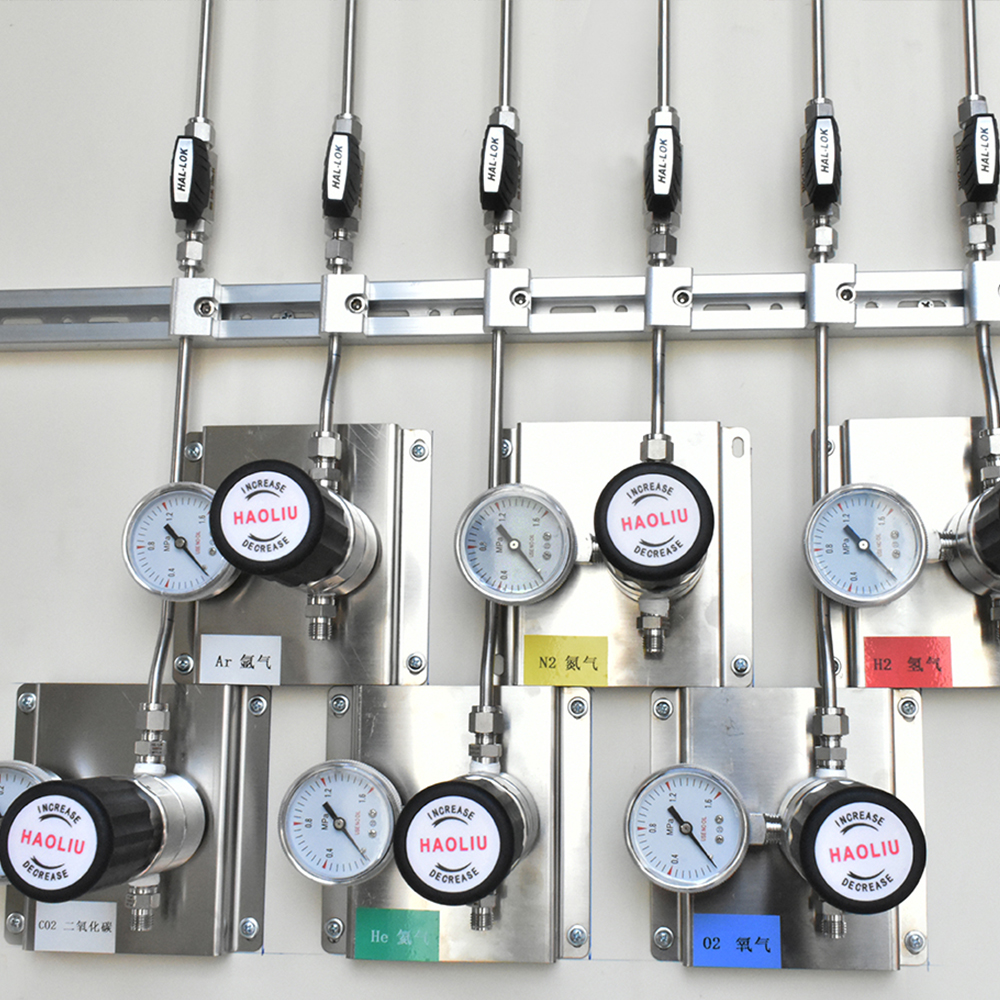
Step 1. Planning and Design: The Strategic Layout
The architectural design of the gas network dictates its future efficiency and safety.
• Gas Profiling: The first step is a comprehensive analysis of the gases required. Are they flammable (Hydrogen, Methane), corrosive (Ammonia, Chlorine), or high-purity inert (Argon, Nitrogen, Helium)?
• Supply Mode Selection: Engineers must decide between a centralized supply (a dedicated gas cylinder room feeding the entire building) or a decentralized system (point-of-use cylinders). Centralized systems are widely preferred for modern labs due to enhanced safety and easier cylinder management.
• Routing Principles: The layout must adhere to the principle of "shortest, straightest paths" to minimize pressure drops and potential leak points. Crucially, lines carrying flammable gases must be physically separated from oxygen or oxidizing gas lines, as well as electrical conduits, by a minimum distance of 50 cm.
Step 2. Material Selection: The Metallurgy of Purity
Using the wrong material can lead to catastrophic failure or chronic contamination.
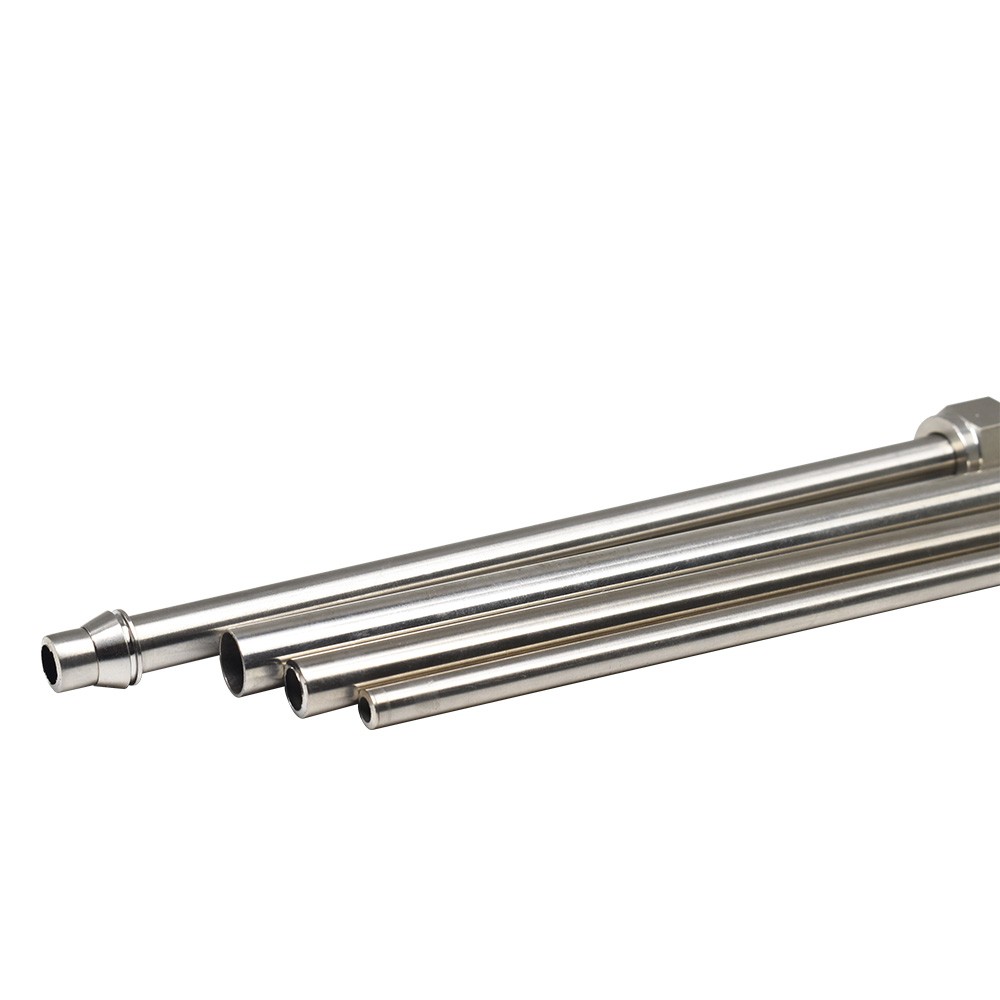
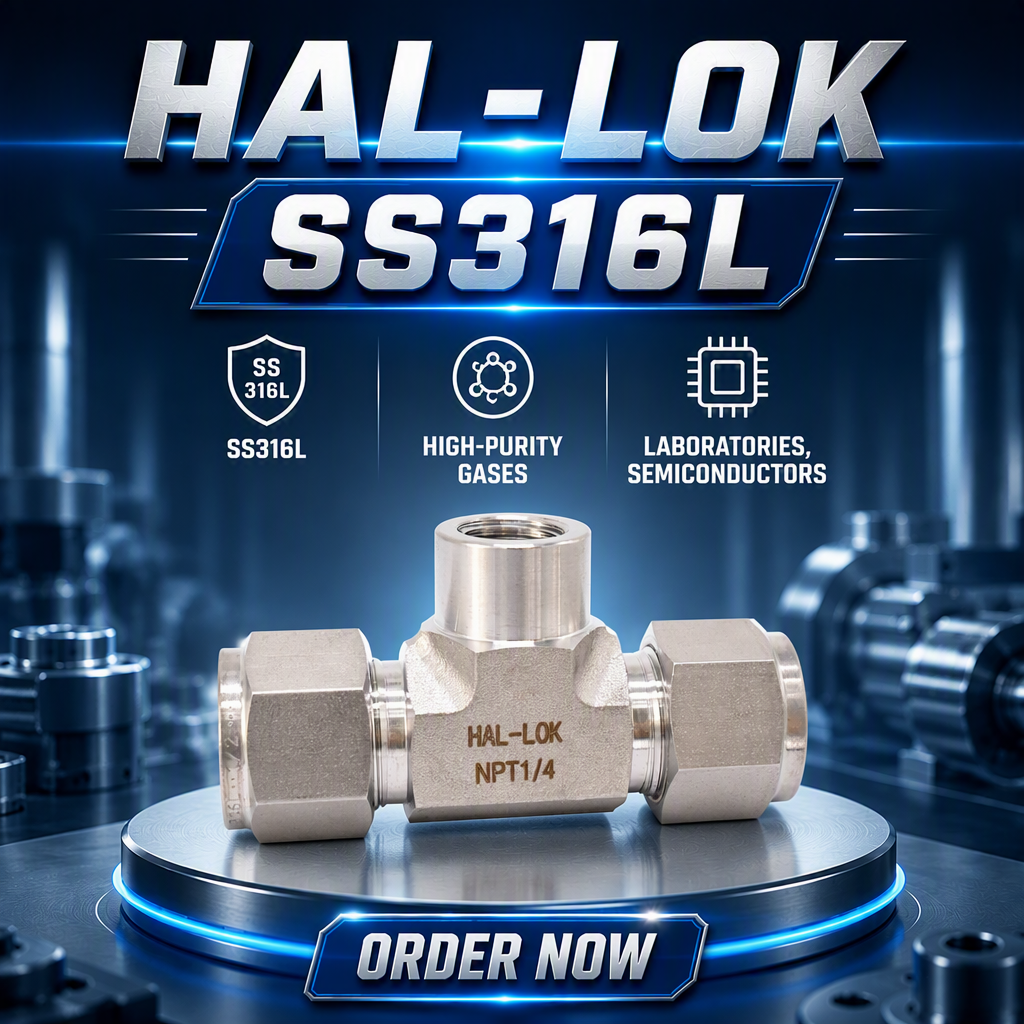
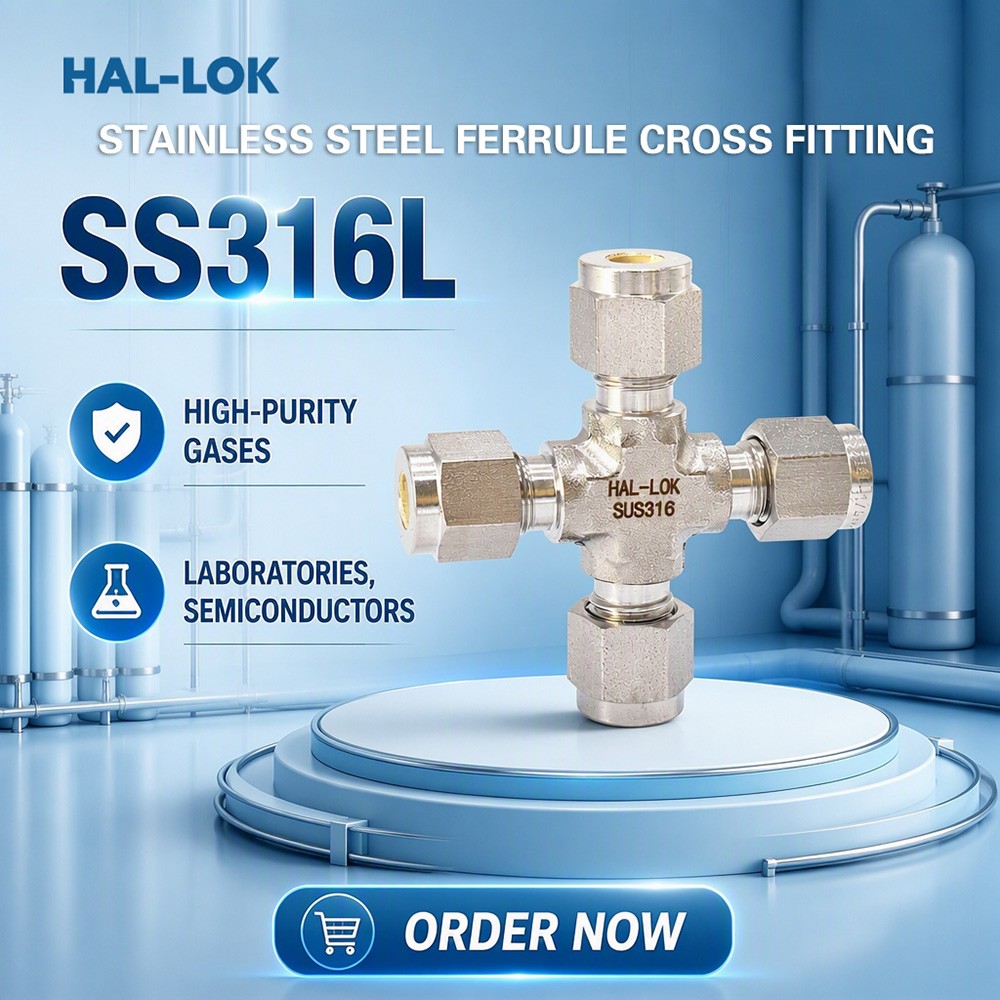
• High-Purity Gases: For gases requiring ≥99.999% purity, 316L Electro-Polished (EP) or Bright Annealed (BA) stainless steel is the absolute industry standard. It prevents outgassing and particulate shedding.
• Corrosive Gases: Systems handling highly reactive or corrosive substances often require specialized materials like PTFE (Teflon)-lined pipes or Hastelloy.
• General Gases: While copper is acceptable for standard compressed air or general-purpose inert gases, it comes with strict caveats. Never use copper for Acetylene or Ammonia. Acetylene reacts with copper to form copper acetylide, a highly unstable and explosive compound.
• Fittings: Threaded connections are notorious for micro-leaks. High-end systems mandate VCR (face seal) or VCO (O-ring seal) welded fittings to ensure a hermetic seal.
Step 3. Pipe Installation: The Art of Precision Engineering
The physical installation must be executed with surgical cleanliness.
• Cutting and Cleaning: Pipes must be cut using specialized rotary tube cutters to avoid generating metal shavings. Before welding, all internal surfaces must be rigorously cleaned and degreased with high-purity solvents like acetone.
• Welding: For high-purity stainless steel, Orbital Tungsten Inert Gas (TIG) welding with an argon purge is mandatory. This automated process ensures smooth, oxide-free internal welds that will not trap contaminants.
• Structural Support: Pipes must be securely mounted using stainless steel brackets with elastomeric isolators to prevent vibration-induced fatigue. Furthermore, horizontal runs should maintain a 1% to 3% slope to facilitate the drainage of any potential condensate.
Step 4. System Integration: The Final Assembly
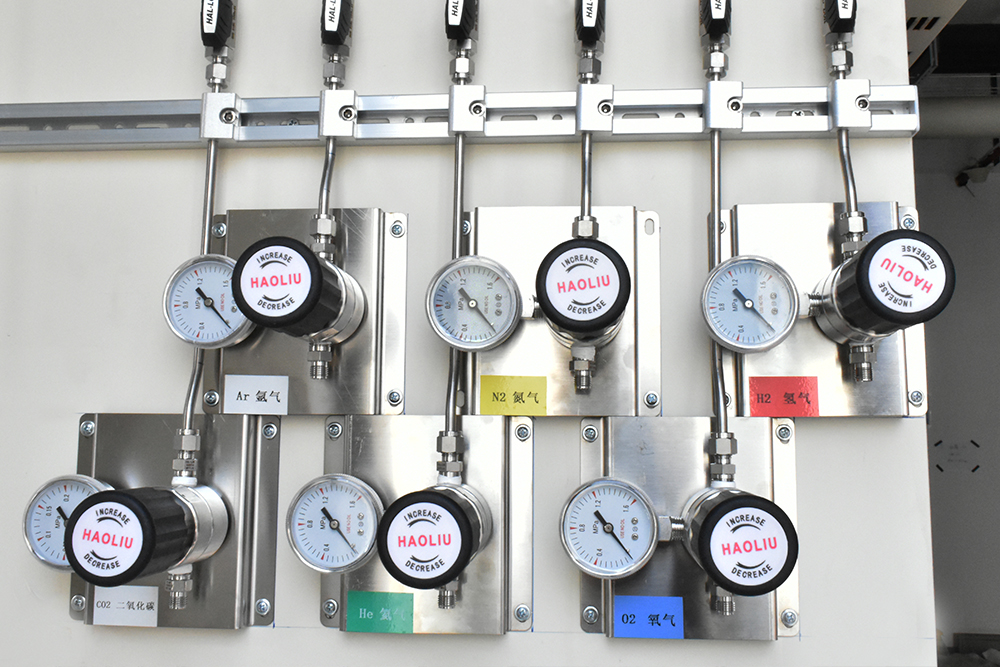
The network is brought to life by integrating critical control components. This includes installing point-of-use terminals, multi-stage pressure regulators, and in-line particulate/moisture filters. Once assembled, the entire system must be purged with ultra-high-purity nitrogen or argon to remove atmospheric moisture and oxygen before any reactive gas is introduced.
Part II: The Crucible of Quality – Commissioning and Acceptance
Installation is only half the battle. A gas system cannot be handed over until it has survived a gauntlet of rigorous stress tests and quality assurance protocols. Commissioning is the definitive proof of engineering integrity.
System Acceptance Checklist
1. Pre-Commissioning Verification: Before introducing any pressure, a comprehensive audit is conducted. Engineers verify material compatibility against the original P&ID (Piping and Instrumentation Diagram), ensure the layout complies with safety distances, and confirm that all safety features (e.g., flash arrestors, relief valves) are correctly oriented.
2. The Unforgiving Leak Test:
• Pressure Hold Test: The system is pressurized with nitrogen to 1.5 times its maximum working pressure and held for 24 hours. Any pressure drop (accounting for temperature fluctuations) is grounds for failure.
• Micro-Leak Detection: For ultra-high-purity (UHP) systems or those handling highly toxic gases, standard soapy water tests are insufficient. Technicians must employ Helium Mass Spectrometry, capable of detecting leak rates as minuscule as 10⁻⁹ mbar·L/s.
3. Purity and Stability Validation:
• Purity Checks: Gas samples are taken at the terminal points and analyzed to ensure they meet experimental requirements (e.g., verifying ≥99.999% purity, checking moisture content via dew point meters, and measuring particle counts).
• Pressure Stability: Precision instruments require a steady flow. The output pressure fluctuation must be tested dynamically to ensure it remains within ≤±5% of the set point, even when downstream demand fluctuates.
4. Safety Systems and Documentation: Every safety interlock must be triggered and verified. Gas alarms, emergency shut-off valves (ESVs), and explosion-proof ventilation systems are tested. For cylinder rooms, the ventilation must demonstrate a capacity of ≥12 air changes per hour. Finally, a massive dossier of documentation—including welding logs, material certifications, and test reports—must be compiled for formal acceptance.
Part III: Guardianship – Maintenance and Management
A gas system is a living entity within the lab. Without continuous, proactive maintenance, even the best-engineered system will degrade, leading to compromised data and escalating safety risks.
• The Rhythm of Inspection (Daily/Weekly): Vigilance is the first line of defense. Laboratory personnel should conduct daily visual inspections of point-of-use valves, regulator dials, and connections. Cylinder pressure readings must be recorded systematically to track consumption rates and anticipate replacements, preventing sudden run-outs during critical experiments.
• Quarterly Deep Dives: Every three months, specialized technicians should perform targeted maintenance:
- Calibration: Regulators and flow meters must be calibrated to ensure accuracy.
- Filtration: High-purity gas lines rely on 0.01μm point-of-use filters. These should be inspected and typically replaced every 6 to 12 months to prevent pressure drops and particulate breakthrough.
- Purging: UHP lines should undergo periodic purging cycles to eliminate trace accumulations of moisture or atmospheric gases.
• Comprehensive Annual Audits: Once or twice a year, the system requires a full-scale audit by certified professionals. This includes a complete system leak test, functional testing of all electronic safety alarm systems, and verification of ventilation effectiveness using anemometers.
• The Art of Cylinder Management: The gas cylinder room is the most hazardous zone in the facility.
- Storage: Cylinders must be stored upright and secured with double chains or brackets.
- Segregation: The golden rule of gas storage: flammable gases and oxidizing gases must be separated by a minimum of 5 meters or by a fire-rated partition.
- Residual Pressure: Empty cylinders are never truly empty. For flammable gases, a residual pressure of 0.2 to 0.3 MPa must be maintained to prevent atmospheric backflow, which could create an explosive mixture inside the cylinder.
- Limits: Strict inventory control must be enforced, keeping the number of active cylinders inside the actual laboratory space to an absolute minimum (typically ≤10, depending on local codes).
Part IV: The Uncompromising Shield – Key Safety Considerations
In the realm of laboratory gases, there is zero margin for error. Safety must be engineered into the system, codified in standard operating procedures (SOPs), and ingrained in the culture of the laboratory.
1. Strict Adherence to Global Standards
Compliance is non-negotiable. Systems must be designed and maintained according to stringent international and local standards, such as NFPA 59A & NFPA 55 (US standards for compressed gases), EN 14682 (European standards), and GB 50346-2013 (Chinese Code for the Design of Laboratories).
2. Gas Compatibility and Clear Labeling
Disaster often strikes from confusion. Never mix reactive gases (e.g., Hydrogen and Oxygen) in the same exhaust or purge lines. To prevent human error, robust labeling is essential. All pipes must be color-coded according to standard conventions. Furthermore, pipes must bear clear labels indicating the specific gas type, purity, and flow direction arrows at regular intervals.
3. Mandatory Safety Devices
The pipeline must be armed with passive and active defense mechanisms:
• Check Valves: To prevent the backflow of gases into the source or into incompatible lines.
• Flame Arresters (Flashback Arrestors): Mandatory on all flammable gas lines (like Hydrogen or Acetylene) to stop a flame front from traveling back into the pipeline or cylinder.
• Gas Detectors: Strategically placed sensors for toxic/flammable gases, and oxygen depletion monitors in rooms where large volumes of asphyxiant gases (like Liquid Nitrogen or Argon) are stored.
4. Personnel Training and Emergency Preparedness
The most sophisticated safety hardware is useless if the human operators are unprepared. Every staff member must undergo rigorous training on gas properties, leak detection protocols, and emergency shutdown procedures. Gas safety emergency cards must be posted prominently, and regular evacuation and fire response drills specific to gas-related incidents must be conducted.
5. The Future: Smart Monitoring and IoT Integration
The modern laboratory is transitioning from reactive to predictive safety. Integrating the gas pipeline with the Internet of Things (IoT) represents the pinnacle of current safety standards. Smart pressure transducers, digital flow meters, and wireless gas detectors can feed real-time data to a centralized dashboard, allowing facility managers to monitor pressure drops and receive instant alerts the microsecond a leak is detected.
Conclusion
A laboratory gas pipeline system is a complex, high-stakes infrastructure that demands respect, precision, and continuous vigilance. From the initial selection of 316L stainless steel to the daily monitoring of pressure gauges and the strict adherence to NFPA and GB standards, every step in its lifecycle is critical.
By treating the gas system not merely as plumbing, but as a highly engineered lifeline for scientific research, laboratories can protect their most valuable assets: their data, their instruments, and most importantly, their people. Investing in rigorous installation, uncompromising commissioning, and proactive maintenance is the ultimate hallmark of a world-class laboratory.