In the modern industrial system, valves are not just switches for fluid control, but the guardians of factory safety. From a furnace of molten iron to precision devices controlling immense pressure, valve manufacturing is an industrial symphony blending materials science, thermodynamics, and precision machining. Today, we go deep into the production line to reveal the path of forging this "industrial heart".
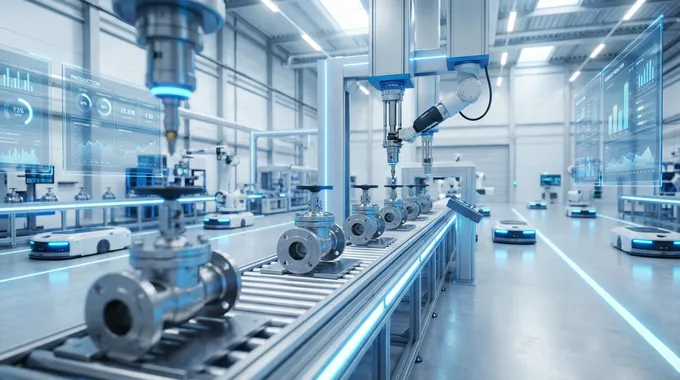
01. Raw Materials: Origin Determines Quality
The innate constitution of a valve is determined by its raw materials. Facing complex conditions of high temperature, high pressure, and strong corrosion, we select high-performance materials such as carbon steel, stainless steel, alloy steel, and even titanium alloys. But having high-quality materials alone is not enough; every batch of castings and forgings entering the factory must undergo a rigorous "physical examination".
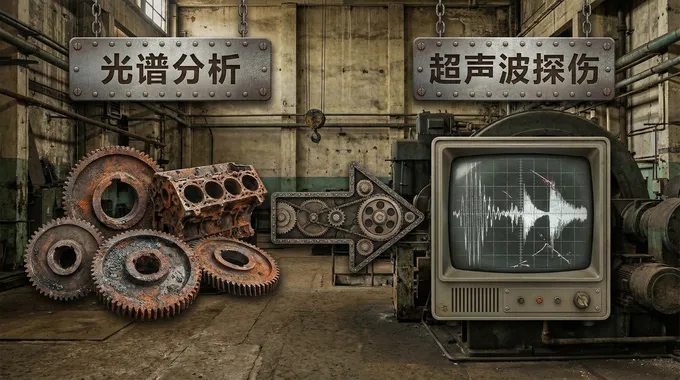
We focus not only on the appearance but also on the "substance". Through ultrasonic flaw detection and spectral analysis, we strictly prevent internal "invisible killers" such as pores, shrinkage, and cracks, ensuring that material composition, mechanical properties, and metallographic structure fully meet standards.
02. Shaping: The Art of Casting and Forging
This is the key step in giving the valve its "body". We use furan resin self-hardening sand process for precision casting, ensuring accurate replication of complex structures from shell making and pouring to roasting. For components that need to withstand extreme high pressure, forging processes are used to change the shape of the metal using pressure while refining metal grains and optimizing internal structure.
Core Process Differences: |
03. Precision Machining: A Battle of Microns
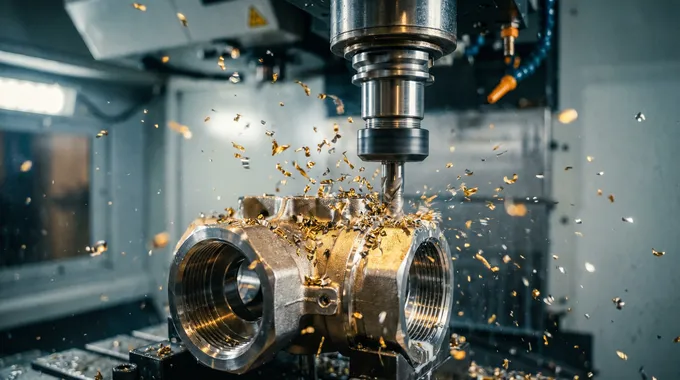
If casting and forging are "freehand brushwork", then mechanical machining is "fine brushwork". Turning, milling, planing, and grinding—every cut approaches design precision. The machining accuracy of valve bodies, bonnets, and flanges directly determines the achievement of "zero leakage".
Especially for sealing surface overlay welding, which is the "ace" for improving sealing performance. The most wear-resistant and corrosion-resistant welding materials must be matched according to working conditions. The valve stem also needs precision grinding to have a mirror-like surface to withstand the wear caused by frequent switching.
04. Reinforcement: Heat Treatment and Surface Protection
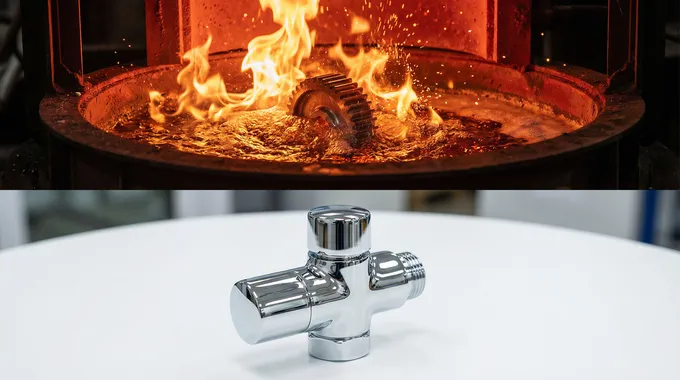
Metal needs not only hardness but also toughness. Heat treatment processes eliminate machining stress through the control of annealing and quenching, endowing the metal with a character of both rigidity and flexibility.
Facing acid rain, salt spray, and chemical corrosion, we put an indestructible "armor" on the valve. We remove oxide scale through sandblasting pretreatment, then perform chrome plating, electroplating, or supersonic spraying to form a dense protective layer on the metal surface, isolating corrosive media.
05. The Big Exam: Assembly and Extreme Testing
All components converge at this moment. Assembly is not simple stacking, but a precision coordination with strictly controlled sequence and torque. But this is not the end; the real test has just begun.
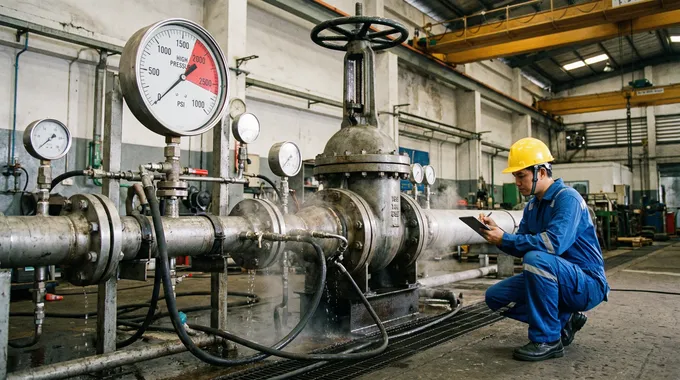
Hydrostatic testing verifies the pressure-bearing baseline of the shell, and pneumatic testing simulates working conditions to ensure no leakage. Only by passing this "hell mode" test is a valve truly born.
Although small, a valve integrates the essence of materials science, forming science, mechanical machining, and surface engineering. Every precise opening and closing is backed by the strict observance of countless process parameters. In this era of pursuing speed, we still adhere to reverence for craftsmanship because we manufacture not just products, but a promise of industrial safety.